
Plants Can Scream: Research Reveals Their Pain Responses
Understanding Plant Pain
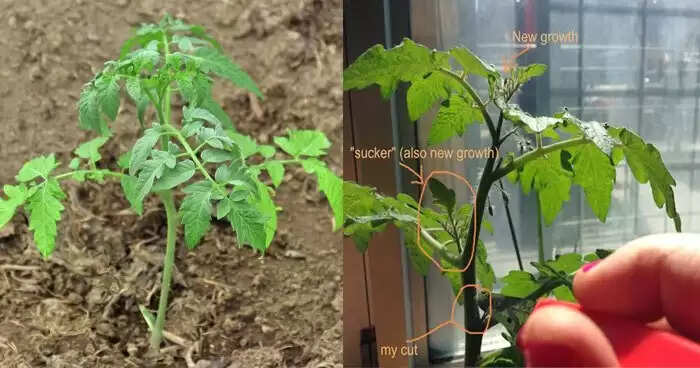
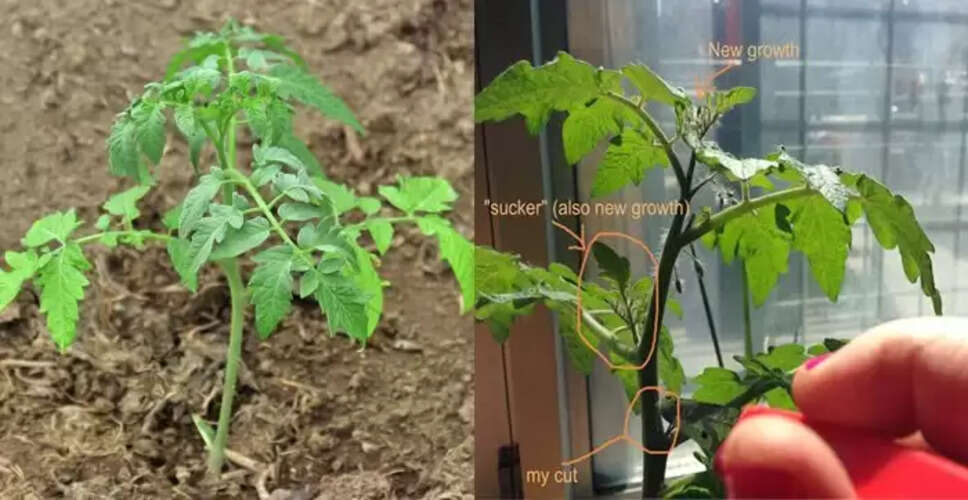
As children, we often heard our parents warn us against plucking leaves at night, claiming that plants feel pain. While we may have dismissed these notions as childish tales, recent research suggests that plants indeed possess the ability to feel and respond to pain. When subjected to stress or injury, plants emit sounds akin to screams, although the frequencies are so low that they remain inaudible to the human ear.
Research Findings on Plant Responses
A recent study conducted by researchers at Tel Aviv University has shed light on this fascinating topic. The study focused on tomato and tobacco plants, revealing that these plants produce loud sounds when they experience external pressure, such as having their leaves plucked or when facing environmental changes. To capture these sounds, researchers placed a high-quality microphone 10 meters away from the plants and recorded their activities.
Pain from Leaf Damage
The findings indicate that when plants are stressed, such as when their leaves are torn or pulled, they emit ultrasonic frequencies ranging from 20 to 100 kilohertz. These sounds serve as a means for plants to communicate their distress to other plants and animals. The researchers employed 35 small devices to monitor the plants' activities closely.
Screaming for Water
The study also discovered that when deprived of water for several days, both tomato and tobacco plants generated distress sounds at 35 ultrasonic frequencies. This suggests that plants experience stress when they lack water, leading them to 'scream' in their own way. Interestingly, while humans cannot hear these frequencies, animals with heightened hearing, such as mice and bats, can detect these sounds. Researchers believe that other plants may also be able to hear these distress signals.
Therefore, it's essential to ensure that we care for our plants properly and avoid unnecessary pruning or cutting.