
Innovative Electrochemical Method from NIT Rourkela Turns Human Urine into Fertilizer
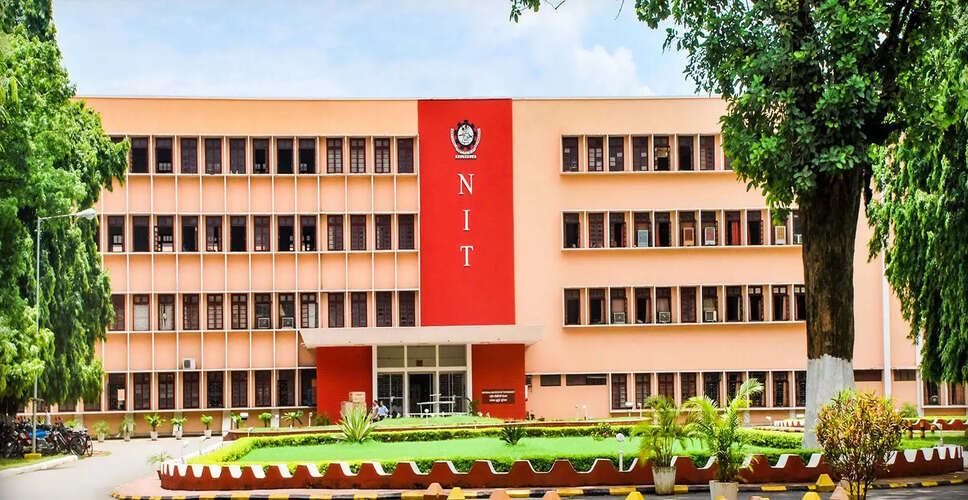

Groundbreaking Research on Sustainable Fertilizer Production
New Delhi/Raurkela: A team of researchers at NIT Rourkela has pioneered an electrochemical technique to extract struvite, a slow-release phosphate fertilizer, from human urine, according to officials. This innovative study, featured in the esteemed Journal of Water Process Engineering, addresses significant issues related to waste management and resource sustainability.
Phosphorus is essential for plant development and is one of the key elements in Nitrogen-Phosphorus-Potassium (NPK) fertilizers, widely utilized by farmers to enhance crop yield and soil health. The production of these fertilizers is energy-intensive and costly. A more sustainable approach involves recovering phosphorus and nitrogen from waste materials rather than relying solely on industrial production methods. Various techniques have been investigated for extracting these nutrients from human urine, including chemical precipitation, which involves adding chemicals to separate and collect nutrients in solid form. However, this method necessitates ongoing additions of alkaline chemicals and external magnesium salts, which can escalate operational expenses and chemical usage.
"Our electrochemical method provides an eco-friendly and chemical-free approach for nutrient recovery. By employing a sacrificial magnesium anode, we can produce the necessary magnesium ions on-site, thus removing the need for external chemical inputs and allowing for precise control over the precipitation process. This makes our technology compact, modular, and ideally suited for decentralized nutrient recovery," explained Balasubramanian, Associate Professor in the Department of Biotechnology and Medical Engineering at NIT Rourkela.