
Impact of Trump's New Tariffs on Indian Textile Production
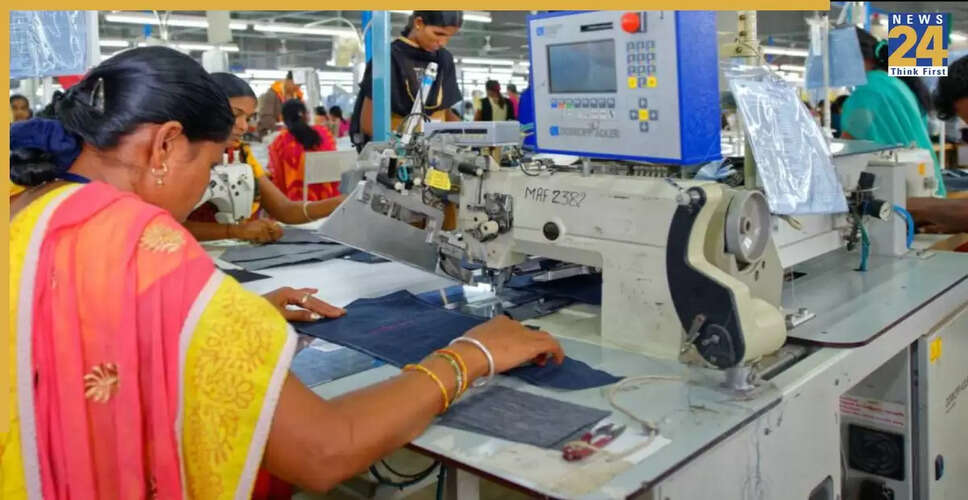
Production Halt in Indian Textile Sector
Following the announcement by US President Donald Trump regarding an additional 25% tariff on Indian exports, which raises the total tariffs to an unprecedented 50%, textile and apparel manufacturers in regions like Tirupur, Noida, and Surat have ceased operations. This decision stems from the increasing tariffs that have significantly diminished the competitiveness of Indian products in the international market, as reported by the Federation of Indian Export Organisations (FIEO).
FIEO President S C Ralhan highlighted that the textile and apparel sectors are struggling against lower-cost competitors from countries such as Vietnam and Bangladesh. The seafood industry, particularly shrimp exports, is also at risk, as the US market accounts for nearly 40% of Indian seafood exports. The tariff hike could lead to excess stock, disrupted supply chains, and distress among farmers. Ralhan noted that approximately 55% of goods destined for the US, valued between $47 and $48 billion, now face a pricing disadvantage of 30-35%, making it difficult to compete with suppliers from China, Vietnam, Cambodia, and the Philippines.
To address these challenges, FIEO emphasized the importance of urgent diplomatic negotiations with the US. Additionally, promoting Brand India and fostering innovation through improved global branding, quality certifications, and innovative export strategies could enhance the appeal of Indian products on the world stage. Other labor-intensive sectors, including leather, shrimp, ceramics, chemicals, handicrafts, and carpets, are also expected to lose their competitive edge against producers from Europe, Southeast Asia, and Mexico.
Simultaneously, the Confederation of Indian Textile Industry (CITI) has called for immediate government support to confront the serious challenges posed by the 50% US tariff on Indian goods, which is set to take effect on August 27. CITI Chairman Rakesh Mehra stated that discussions with the government are ongoing to seek assistance during this critical period. However, given the severity of the situation, there is an expectation for prompt action in the form of fiscal support and policy decisions regarding raw material availability.
Details of the Tariff Notification
The tariff notice specifies that the increased levies will apply to Indian goods entering the US market for consumption starting at 12:01 a.m. It will also impact goods withdrawn from US warehouses for use after this time. The US government has indicated that this tariff increase is a consequence of India's ongoing purchase of Russian oil, which Trump claims is financing Moscow's military actions in Ukraine—a claim that has been firmly rejected by India.