
Exploring the Legacy of Psycho: From Novel to Film
The Start of a Horror Classic
Robert Bloch's renowned novel Psycho opens with the line, 'Norman Bates heard the noise and a shock went through him.' This gripping narrative, published in 1959, revolves around a serial killer with a complex relationship with his mother and quickly caught the attention of filmmakers, leading to Alfred Hitchcock's iconic adaptation in 1960.
A Prolific Writer's Journey
Bloch, known for his extensive work in crime, science fiction, and fantasy, also penned several sequels to Psycho that diverged from the film's storyline. His writing style, characterized by sharp prose and vivid imagery, provided a solid foundation for Hitchcock's cinematic vision.
Screening of Hitchcock's Masterpiece
The Film Heritage Foundation will showcase Hitchcock's Psycho on July 24 at Regal cinema in Mumbai, as part of its annual restoration workshop. This event follows previous screenings of Hitchcock's North By Northwest and will include Rear Window on July 31 and Vertigo on August 7.
The Impact of Psycho
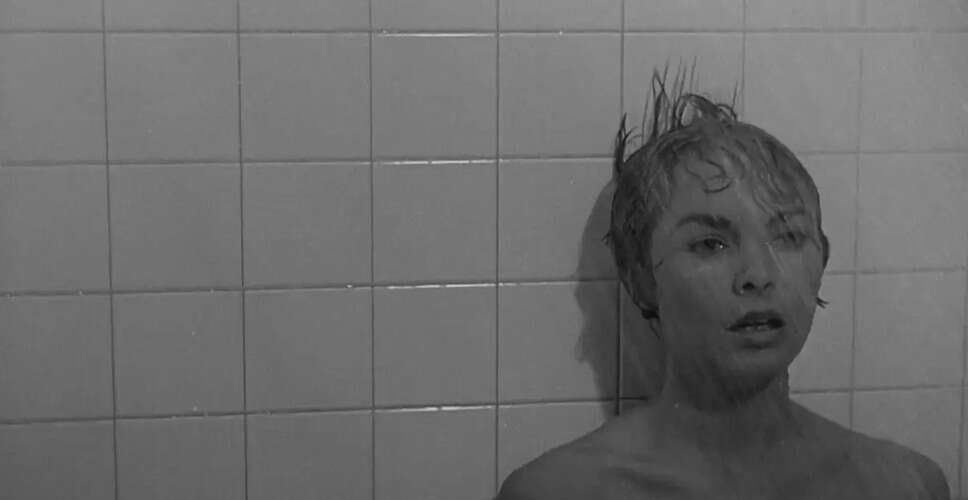
Psycho is a landmark in horror cinema, sparking extensive analysis and discussion. Its infamous shower scene, where a woman is brutally murdered, was groundbreaking for its time. Bloch once remarked to Hitchcock, 'Mr. Hitchcock, I think this is either going to be your greatest success, or your biggest bomb.'
Norman Bates: A Complex Character
The character of Norman Bates was inspired by real-life serial killer Ed Gein. Bloch's portrayal of Norman reveals a deeply troubled individual, shaped by his overbearing mother, Norma. The novel introduces readers to Norman's psyche early on, showcasing his disturbed thoughts and behaviors.
Differences Between Book and Film
While Hitchcock's adaptation remains true to the essence of Bloch's work, it introduces significant changes, such as renaming Mary Crane to Marion Crane. The film opens with Marion's story, emphasizing voyeurism, a theme that resonates throughout the narrative.
Cinematic Techniques and Innovations
Hitchcock's direction is evident in the film's suspenseful build-up, particularly leading to Marion's murder. The iconic dialogue, 'We all go a little mad sometimes,' is a reimagined line from Bloch's original text, showcasing Hitchcock's ability to enhance the narrative through cinematic techniques.
Enduring Influence and Legacy
Despite its initial release over six decades ago, Psycho continues to influence the horror genre. The film's legacy includes a 1998 shot-for-shot remake and the television series Bates Motel, which explores Norman's backstory. Both the novel and the film stand as essential works in the horror canon, each offering a unique experience.