
Discover the Gut Bacterium That Could Revolutionize Weight Loss!

Breakthrough in Weight Loss Research
New Delhi: Researchers in the United States have identified a gut bacterium that may aid in weight loss and improve metabolic health.
This discovery comes at a time when various weight-loss medications and injections have shown effectiveness in helping individuals shed pounds.
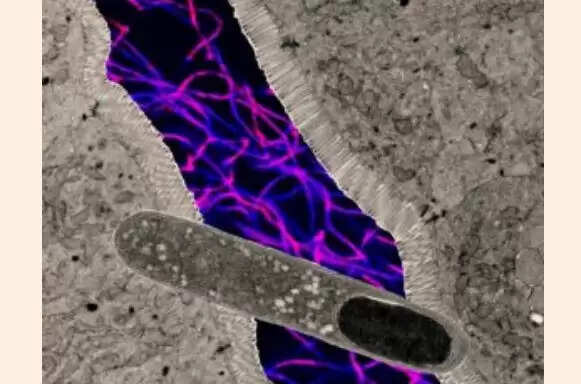
In experiments conducted on mice, a team from the University of Utah discovered that a particular gut bacterium known as Turicibacter can enhance metabolic health and curb weight gain.
Individuals suffering from obesity typically have lower levels of Turicibacter, indicating that this microbe might play a role in maintaining a healthy weight in humans as well. The findings could pave the way for innovative strategies to manage weight through gut bacteria adjustments, as detailed in their study published in the journal Cell Metabolism.
Turicibacter, characterized as a rod-shaped bacterium, was shown to significantly lower blood sugar levels, reduce fat in the bloodstream, and prevent weight gain in mice fed a high-fat diet.
However, the effects of Turicibacter are likely not exclusive; numerous gut bacteria may also influence metabolic health. It's important to note that results from animal studies may not directly translate to humans.
"While we have successfully reduced weight gain in mice, I cannot confirm if this holds true for humans," stated Round.
Despite this uncertainty, the researchers are optimistic that Turicibacter could serve as a foundation for developing treatments aimed at fostering healthy metabolism and averting excessive weight gain.
The study revealed that Turicibacter may enhance metabolic health by influencing the production of a fatty molecule known as ceramides.
Ceramide levels tend to rise with high-fat diets, and elevated ceramide levels are linked to various metabolic issues, including type 2 diabetes and heart disease. However, the fats produced by Turicibacter can help maintain lower ceramide levels, even in mice consuming a high-fat diet.
"With more research into specific microbes, we could potentially transform microbes into medicinal solutions and identify bacteria that can be safely combined to address deficiencies in individuals with various health conditions," remarked Kendra Klag, the study's lead author.