
Innovative Electrochemical Biosensor Developed for Rapid Sepsis Diagnosis
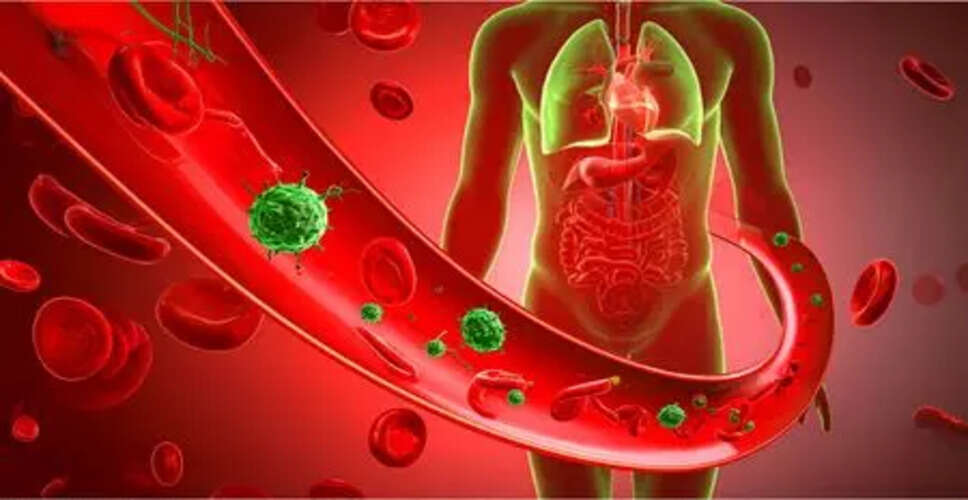
Breakthrough in Sepsis Detection Technology
New Delhi, July 24: A team of researchers from the National Institute of Technology (NIT) Calicut has created an advanced, cost-effective electrochemical biosensor device aimed at swiftly diagnosing severe sepsis infections, potentially enhancing treatment results.
Sepsis is a critical health issue triggered by infections, which can result in organ failure, shock, and even death. Timely and accurate diagnosis is essential for effective treatment and improving patient survival rates, which are directly influenced by early intervention.
Accurate early diagnosis hinges on the sensitive detection of specific biomarkers. Endotoxin, a harmful element found in the outer membrane of Gram-negative bacteria, serves as a crucial biomarker indicating the likelihood of sepsis.
To facilitate rapid endotoxin detection, the NIT team designed eight unique sensor architectures. Among these, seven utilized electrochemical detection methods, while one employed optical detection, as explained by Dr. N. Sandhyarani, a professor at NIT Calicut.
In their study published in the journal Langmuir, the researchers showcased a highly sensitive electrochemical sensor chip tailored for the selective identification of Lipopolysaccharide (LPS), which is compatible with a portable analyzer for on-site testing.
All sensor designs demonstrated excellent selectivity, successfully detecting endotoxin even in the presence of various interfering substances.
"Endotoxin presence was identified in pharmaceutical drugs like Biphasic isophane insulin, fruit juices, and whole blood using the standard addition method, with endotoxin recovery showing less than 2 percent error across all tests,” the researchers noted.
Additionally, two of the electrochemical platforms proved versatile, allowing for the sensitive detection of Gram-negative bacteria, particularly E. coli, in water samples.
The results indicated that quantifying E. coli with these platforms is comparable to conventional biological methods while significantly reducing analysis time, underscoring their potential for effective water quality monitoring, according to the team.
The point-of-care device developed by the team—a portable and affordable electrochemical biosensor prototype for endotoxin detection—successfully identified endotoxin in blood serum using a standard addition method, delivering results in just 10 minutes.