
India's Electronics Revolution: New Manufacturing Plants Set to Transform the Sector

A New Era for Electronics Manufacturing in India
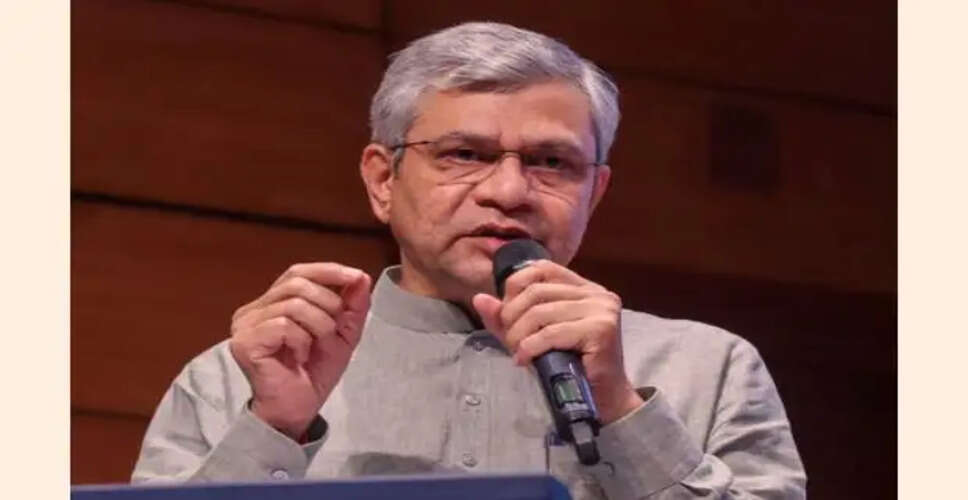
New Delhi: Union Minister Ashwini Vaishnaw announced that the new Amber and Ascent Electronics manufacturing plants will usher in a transformative phase for India's electronics industry. The facilities will focus on producing advanced printed circuit boards (PCBs), which are expected to bolster the nation's electronics framework and enhance its position in the global market.
In a statement shared on the social media platform X, Vaishnaw remarked, “This marks a significant milestone in Bharat’s electronics manufacturing landscape. The Amber and Ascent Electronics Manufacturing Plant will be pivotal in producing advanced PCBs, thereby fortifying India’s electronics ecosystem and its competitiveness on the world stage.”
He further emphasized that each PCB produced at these facilities will contribute to saving foreign currency, strengthening the Indian rupee, and improving the nation’s balance of payments.
These comments were made during the joint foundation stone-laying ceremony for the projects alongside Uttar Pradesh Chief Minister Yogi Adityanath in Yamuna City, Jewar.
The initiatives include a ₹3,250-crore advanced PCB manufacturing plant by ASCENT-K Circuit, a collaboration with South Korea's KCC, which will focus on high-density and multi-layer PCBs tailored for the electronics sector.
Additionally, Amber Enterprises plans to invest ₹3,500 crore to set up a facility dedicated to HVAC components and PCB assemblies.
Vaishnaw previously noted that India imports PCBs worth approximately ₹40,000 crore each year, and enhancing domestic production capabilities is crucial for reducing reliance on imports.
He also pointed out the rapidly evolving infrastructure in the Jewar area, highlighting the operational Noida International Airport, improved connectivity via the Delhi-Mumbai Industrial Corridor (DMIC), and the proposed bullet train project connecting Delhi, Lucknow, and Varanasi, all of which are making the region appealing to global investors.
The minister concluded that the developing industrial ecosystem, backed by modern infrastructure and manufacturing investments, is set to position India as a key player in electronics manufacturing while also fostering local production and job creation.