
How Mughals Kept Their Palaces Cool Without Air Conditioning

Innovative Cooling Techniques of the Mughals
As summer approaches, many people start searching for fans, air conditioners, and coolers. A power outage, even for a moment, can cause panic. However, have you ever wondered how the Mughals managed without such conveniences? How did they keep their palaces cool without electricity? If you haven't thought about it, let's explore how they dealt with the heat in ancient times.
Secrets of Mughal Architecture
The Mughals are renowned for their exceptional architectural skills, having constructed numerous buildings that remain unmatched even today. Their mastery in construction allowed them to effectively shield themselves from the summer heat.
Spacious Courtyards and Verandas
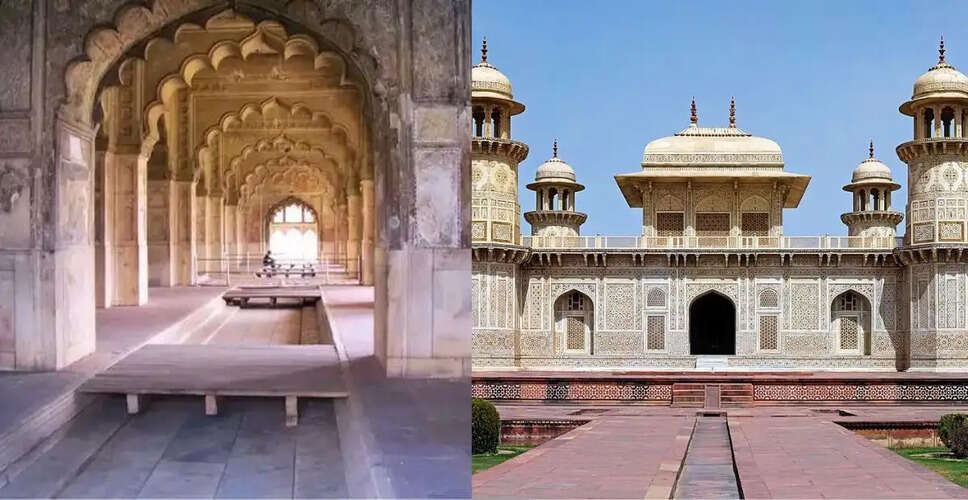
Mughal palaces featured large courtyards and verandas, designed to accommodate many people without feeling cramped or hot. These spaces were constructed to minimize direct sunlight, providing relief from the sun's harsh rays.
Thick Walls for Temperature Control
The walls of Mughal palaces were built thick and sturdy, preventing heat from penetrating and maintaining a cooler indoor temperature.
Ventilation Through Jali Walls
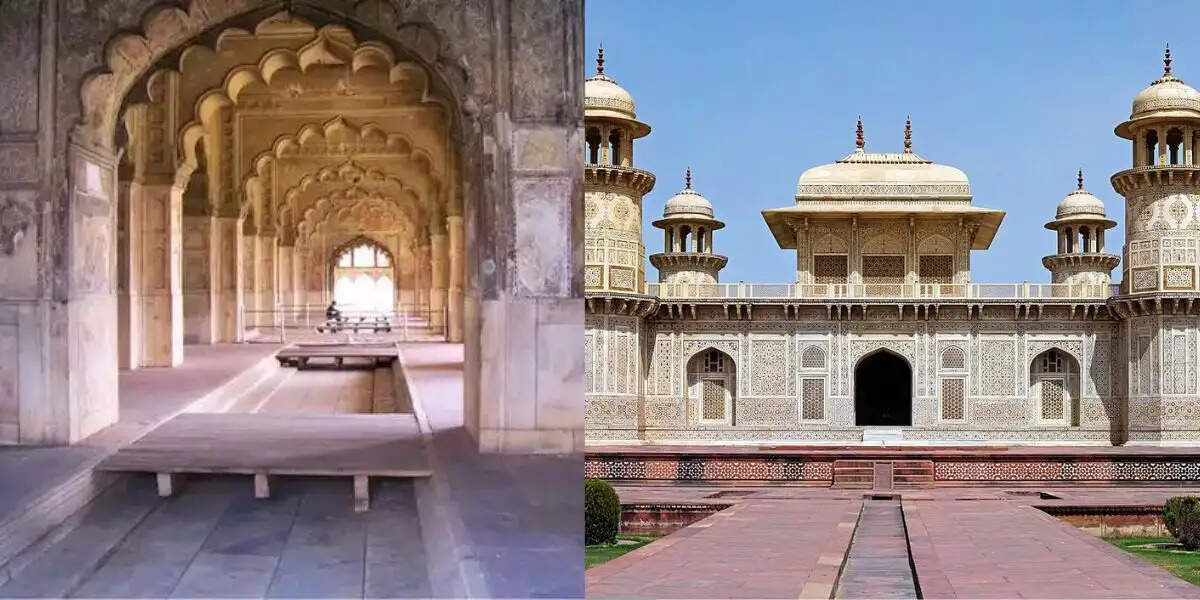
One of the most remarkable features of Mughal architecture was the jali walls. These intricately designed stone walls not only added beauty but also served a practical purpose during the summer months by facilitating ventilation. They were crafted to allow fresh air in while letting hot air escape, ensuring a steady airflow that kept the interiors cool.
Cooling Decor with Water Features
During the Mughal era, numerous fountains were installed both inside and outside the palaces. These were not merely decorative; they played a crucial role in cooling the environment. Additionally, expansive gardens filled with trees that provided shade were planted around the palaces, contributing to a cooler atmosphere during the hot months.
Attention to Thermal Conductivity
Architects of the time paid special attention to thermal conductivity when constructing palaces. They utilized materials that naturally acted as insulators, such as marble, clay, and other cool stones. These materials absorbed heat quickly and released it slowly, helping to maintain a comfortable indoor climate.