
Concerns Rise Among Tea Exporters Due to West Asia Conflict
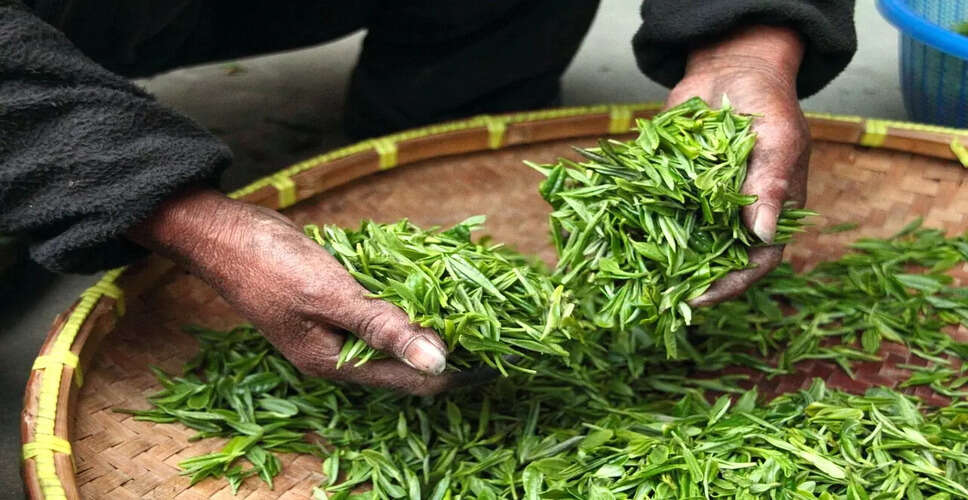
Impact of Geopolitical Tensions on Tea Exports
Kolkata, June 19: The ongoing military conflict in West Asia has sparked concerns among tea exporters regarding the future of shipments to Iran, with early indications of a decline in prices for orthodox tea, as reported by industry stakeholders.
Iran is a significant importer of this tea variety from India.
Exporters are increasingly worried about potential challenges, including rising freight and insurance costs for shipments to Iran, which is currently embroiled in conflict with Israel.
According to Hemant Bangur, Chairman of the Indian Tea Association, exporters are adopting a cautious approach to sourcing orthodox tea due to uncertainties surrounding shipments and payment reliability from Iranian importers.
“Exporters are being careful in sourcing orthodox tea through auctions, given the unpredictability of shipment volumes to Iran and concerns over payments. This has led to a decrease in both sales percentages and prices for orthodox teas,” Bangur stated.
Orthodox tea is regarded as a premium product, providing better financial returns for planters and traders.
“Iran represents a market of approximately 35 million kg for India and is a crucial trading partner. The ongoing conflict with Israel is concerning. We are currently monitoring the situation closely and maintaining communication with Iranian importers,” remarked Anshuman Kanoria, Chairman of the Indian Tea Exporters’ Association.
Due to the prevailing uncertainty, exporters are being conservative in their tea purchases for Iran, which has negatively affected both sales percentages and prices of orthodox tea, Kanoria added.
“In recent days, the market for orthodox tea has seen a decline in sales and prices by about 5-10 percent, primarily due to the geopolitical tensions between Iran and Israel. Prior to this conflict, market sentiment was positive. However, we remain hopeful for a swift resolution,” Kanoria expressed.
Mohit Agarwal, Director of Asian Tea Company, echoed these sentiments, noting that sales of Assam orthodox tea have halted since the conflict began, causing anxiety among exporters.
“Iran is predominantly a market for Assam orthodox tea, and since the onset of the conflict, auction sales have decreased, with prices dropping by 5 to 10 percent. It is still early to make definitive assessments; we are in a wait-and-watch mode. If the conflict continues, it could adversely affect tea export prospects, but we are optimistic for a quick resolution,” Agarwal stated.
The broader West Asia market, which includes Iran, Iraq, Qatar, Saudi Arabia, and the UAE, consumes around 90 million kg of Indian tea, according to Jhunjhunwala.
Dipak Shah, Chairman of the South India Tea Exporters Association, mentioned that exporters are hopeful, yet concerned, as freight and insurance costs for shipments may rise if the Iran-Israel conflict persists.