
The Tale of Lord Parshuram: A Story of Devotion and Sacrifice

The Story of Lord Parshuram's Devotion
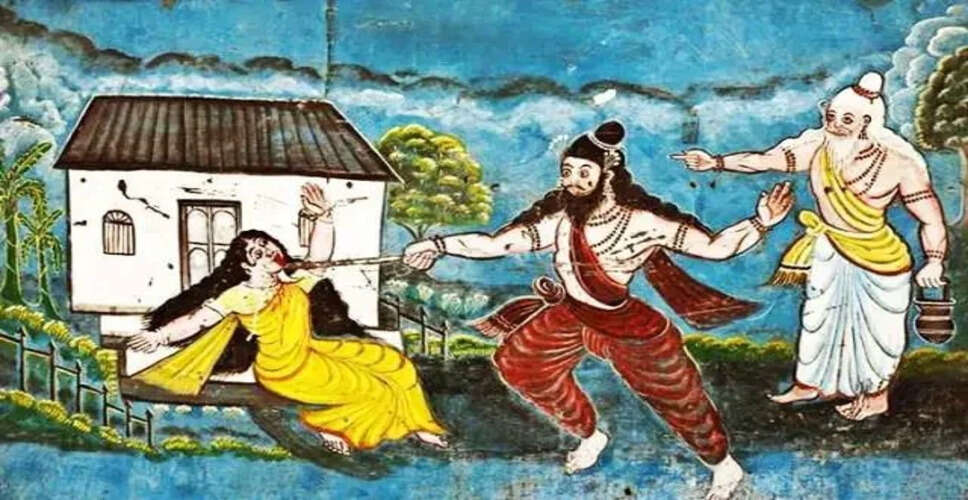
Lord Parshuram is revered for his unwavering commitment to righteousness, wielding his axe in defense of dharma. However, a lesser-known aspect of his story involves a tragic act where he was commanded by his father, Sage Jamadagni, to behead his own mother, Renuka.
This poignant narrative is deeply intertwined with moral teachings. Let's delve into the details.
Parshuram is often seen as a symbol of valor and was a devoted son. His mother, Renuka, was known for her purity, fidelity, and strength. One day, while fetching water from a river, she witnessed a king and queen in a moment of affection, which briefly distracted her. Sage Jamadagni, being a sage with profound knowledge, sensed this lapse and deemed it sinful. He instructed his sons to execute their mother as punishment.
The first four sons—Vyas, Vishwavasu, Shutsan, and Vasu—refused to comply, leading Sage Jamadagni to curse them. In contrast, Parshuram obeyed his father's command and beheaded Renuka. Sage Jamadagni was pleased with Parshuram's obedience and offered him a boon. Parshuram requested the revival of his mother and the restoration of his brothers to their former selves. The sage granted this wish, bringing Renuka back to life.
Despite following his father's orders, Parshuram was filled with remorse for his actions. It is believed that he undertook severe penance at the Mahadev Temple or Pashupatinath Temple (sometimes identified with the one in Nepal) as an act of atonement. Additionally, several sites across India, such as Parshuram Kund in Arunachal Pradesh, Janpav in Madhya Pradesh, and Renuka Tirth in Himachal Pradesh, are associated with his penance.