
The Four Wives of Every Person: A Lesson from Gautam Buddha
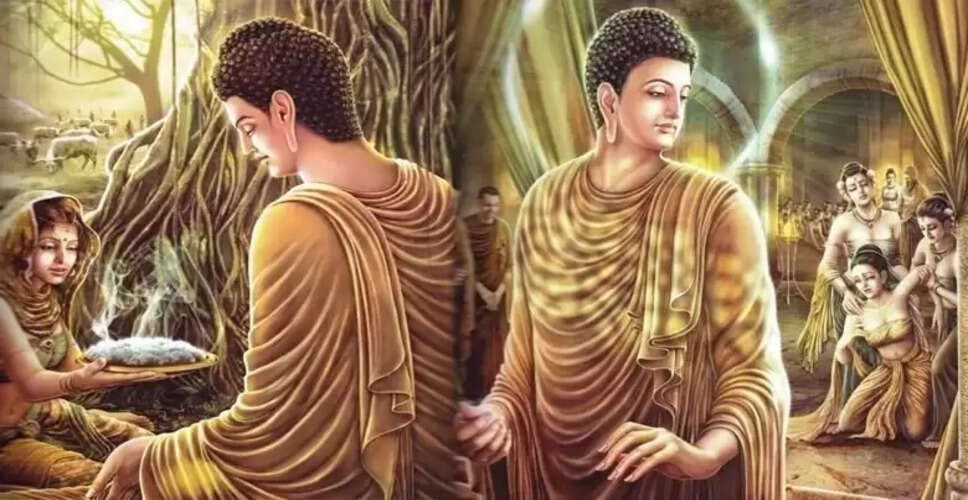

Understanding Gautam Buddha's Teachings
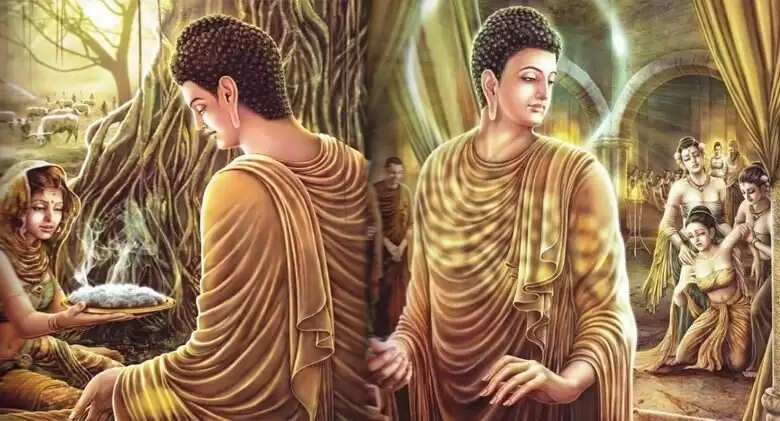
Gautam Buddha is a well-known figure, revered by millions who follow his teachings. Some even regard him as the ninth incarnation of Lord Vishnu. Throughout his life, he adhered to the principles of truth and non-violence, guiding many from darkness to enlightenment. His words and philosophies resonate deeply with people. One notable statement made by Buddha was that every individual has four wives. The fourth wife, he claimed, remains with a person until death. Today, we will explore the context and significance of this profound statement.
The Story of the Four Wives
Buddha once narrated an intriguing story, which is referenced in the early teachings of the 32 Agama Sutras. The tale goes like this: there was a man who had four wives and lived happily with them. In ancient Indian society, it was common for a man to have multiple wives. However, one day, this man fell gravely ill.
Realizing that his end was near, he called upon each of his wives one by one. To the first wife, he expressed his love and asked if she would accompany him to the afterlife. She replied that while she loved him dearly, she could not join him, as their paths would diverge after his death.
Next, he approached his second wife, asking her to come along. She declined, stating that she was too entangled in her domestic life to accompany him. When he asked his third wife, she responded similarly, saying that since the first two wives refused, she could not go either.
Feeling despondent after hearing the responses of the first three wives, he hesitated to call for the fourth wife, whom he had not cherished as much and had treated more like a servant. Expecting her to refuse as well, he was surprised when she immediately agreed to accompany him, declaring her unwavering commitment to stay by his side until the end.
The Meaning Behind the Wives
Concluding the story, Buddha explained its deeper meaning. He stated that every person has four 'wives' or aspects in life, each representing something significant. The fourth aspect is the only one that remains with a person until death. The first wife symbolizes the body; no matter how much we care for it, it ultimately leaves us at death.
The second wife represents fortune; regardless of the luck we bring into this world, it does not accompany us after death. The third wife signifies our relationships, such as family and friends, who are only with us as long as we are alive. After death, they too depart.
Finally, the fourth wife embodies our actions (karma). The deeds we perform in life accompany us even after death, determining our future existence and guiding us towards heaven or hell.