
Significance of Kanya Pujan During Navratri 2025
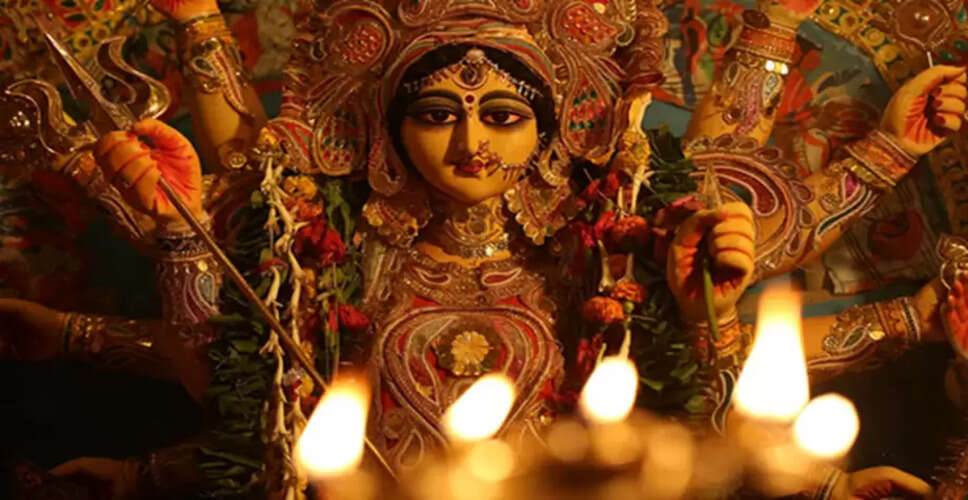
Kanya Pujan 2025: A Sacred Tradition
The festival of Navratri holds immense significance in Hinduism, where the nine avatars of Goddess Durga are revered. Throughout these nine days, devotees engage in fasting and worship with great devotion. This festival represents the essence of Shakti and the veneration of the Goddess. The celebration culminates on the ninth day, with the special ritual of Kanya Pujan taking place on the eighth and ninth days. Religious texts highlight Kanya Pujan as a highly auspicious practice.

Purpose of Kanya Pujan
Kanya Pujan, conducted at the conclusion of Navratri, signifies the worship of the nine forms of Goddess Durga. Young girls are seen as representations of Goddess Shakti, and thus, they are invited with respect, offered food, and gifted clothes or presents. It is believed that honoring these girls attracts the blessings of Goddess Durga and infuses life with positive energy. This ritual is deemed most effective on the eighth and ninth days.
Significance of Kanya Pujan
Ancient scriptures emphasize the importance of honoring girls. The Markandeya Purana states that worshipping girls on the Ashtami (eighth day) purifies one from sins and grants the boundless blessings of Goddess Durga. The Devi Bhagavata Purana asserts that honoring girls as embodiments of the Goddess leads to spiritual advancement and liberation.
Advantages of Kanya Pujan
It is widely believed that honoring girls during Navratri brings joy, tranquility, and prosperity to households. Goddess Durga, when pleased, grants wealth, happiness in children, and mental peace. This worship also rectifies Vastu defects and resolves family conflicts.
Procedure for Kanya Pujan
During Navratri, invite nine girls aged between 2 to 10 years to participate in the worship, as they symbolize the nine goddesses.
Begin by having the girls sit respectfully and purify their feet with water.
Next, apply a tilak (forehead mark) using sandalwood paste, kumkum (vermilion), flowers, and unbroken rice grains.
The girls are adorned with a chunari (veil) representing the Mother Goddess.
They are served a special meal that includes halwa, puri, chana, and other sattvik dishes.
After the puja, the girls receive clothes, gifts, or dakshina (donations) and are respectfully sent off.
PC Social Media