
Zimbabwe Cricket's Remarkable Financial Turnaround: From Debt to Test Matches
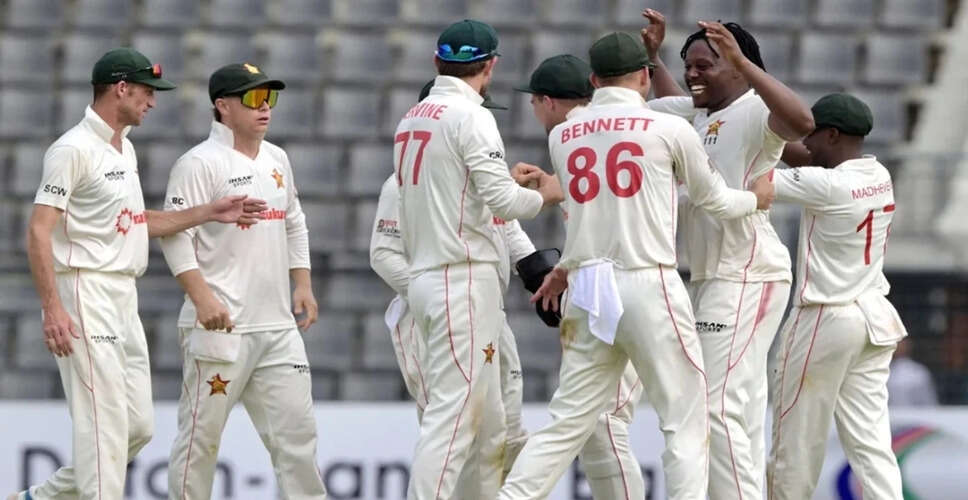
Zimbabwe Cricket's Financial Transformation
Back in 2017, Zimbabwe Cricket (ZC) faced a staggering debt of $18.9 million. Fast forward to 2025, and they are set to play 11 Test matches, mirroring Australia's schedule, despite not being part of the World Test Championship. What led to this impressive turnaround? Let's explore the details.
ZC's Financial Journey: From Deficit to Surplus
Between 2018 and 2022, ZC experienced a significant financial transformation:
| Year | Revenue | Operating Cost | Surplus |
| 2018 | $14.2M | $13.5M | $4.7M |
| 2019 | $11.9M | $7.2M | $17.5M |
| 2020 | $5.5M | $6.9M | -$1.2M |
| 2021 | $9.3M | $9.6M | -$0.3M |
| 2022 | $15.8M | $12.1M | $10.7M |
In 2022, ZC reported a profit of nearly $11 million, marking a remarkable recovery from its earlier financial struggles.
ICC Funding: The Backbone of Zimbabwe Cricket
Revenue primarily sourced from ICC distributions:
| Year | ICC Contribution | Trades and Receivables from ICC | Total from ICC |
| 2018 | $9,000,000 | $2,969,358 (ICC Loan) | $11,969,358 |
| 2019 | $11,500,000 | $2,062,079 | $13,562,079 |
| 2020 | $5,292,791 | $769,292 | $6,062,083 |
| 2021 | $8,459,915 | $3,296 | $8,463,211 |
| 2022 | $11,788,243 | $3,239,324 | $15,027,567 |
In 2024, Zimbabwe benefited from a new financial model introduced by the ICC, receiving approximately $17.6 million annually.
The Cost of Hosting Test Matches
Hosting Test matches comes with a hefty price tag. In 2022, ZC incurred around $500,000 for each Test match. With eight Tests planned for 2025, the total cost is expected to reach about $4 million. Nevertheless, ZC has effectively managed its budget through strategic planning and increased revenue.
Revenue Diversification: Expanding Beyond ICC Funds
Zimbabwe has broadened its revenue streams:
- TV Rights: In 2022, ZC generated $2.65 million, accounting for 16.74% of its total revenue from broadcasting agreements.
- Touring Fees: England has agreed to pay ZC a touring fee for a one-off Test in 2025, marking a significant development in international cricket finance.
Managing Operational Costs
ZC's operational expenses include:
- International Cricket: Costs associated with hosting and touring.
- Domestic Cricket: Expenses related to local competitions.
- Central Administration: Administrative overheads.
Despite fluctuations in costs, Zimbabwe Cricket has maintained a positive financial trajectory.
2025 Test Series: A Busy Year Ahead
Zimbabwe's Test schedule for 2025 includes:
- Afghanistan: 2nd Test (January 2025) - Completed
- Ireland: 1 Test (February 2025) - Completed
- Bangladesh: 2 Tests (April-May 2025) - Completed
- England: 1 Test (May 2025) - Completed
- South Africa: 2 Tests (July 2025)
- New Zealand: 2 Tests (August 2025)
- Afghanistan: 2 Tests (October-November 2025)
Having played just 12 Tests from 2020-2024, Zimbabwe are scheduled to play 11 in 2025 - the joint-most of any team 😮 pic.twitter.com/uOJdG5x6KC
— ESPNcricinfo (@ESPNcricinfo) May 19, 2025
This packed schedule highlights Zimbabwe's rising status in the world of cricket.
Strategic Decisions: Path to Financial Recovery
- Debt Reduction: Successfully decreasing a $27 million inherited debt by 2020.
- Investment in Domestic Cricket: Establishing a five-team domestic structure.
- Women's Cricket: Implementing national contracts and allowances for female players.
These initiatives have fortified ZC's position and fostered sustainable growth.
Conclusion: A Blueprint for Smaller Cricket Nations
Zimbabwe's journey from financial instability to hosting multiple Test matches in a single year serves as an inspiring success story. Their experience offers valuable insights for smaller cricket nations aiming to enhance their financial health and international standing.