
Yair Lapid Critiques US-Iran Agreement, Warns of Regional Consequences

Lapid's Concerns Over US-Iran Deal
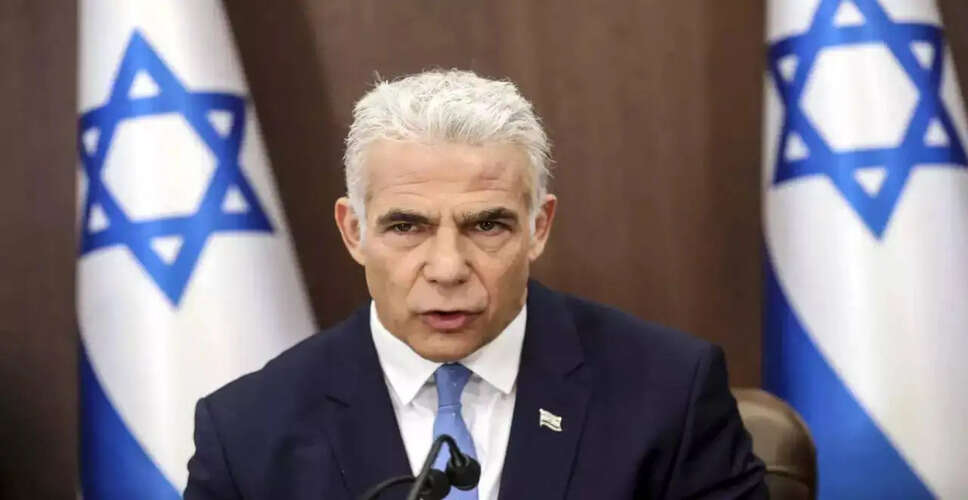
Yair Lapid, the leader of Israel's opposition, has voiced strong objections to the potential agreement between the United States and Iran, labeling it harmful not only to Israel but also to the Middle East and the Iranian populace. As the head of the centrist Yesh Atid party, Lapid is part of a coalition aiming to dethrone Prime Minister Benjamin Netanyahu in the upcoming elections. He described the proposed deal as “disturbing.” “This agreement is detrimental to Israel, the region, and the Iranian citizens,” Lapid stated during a press briefing in Jerusalem.
Israel's Military Objectives
In a military operation initiated on February 28, Israel and the United States aimed to dismantle Iran's ballistic missile capabilities, halt its support for militant proxies, and prevent the development of nuclear weapons, with hopes for regime change. Reports from regional officials indicate that the emerging agreement would require Iran to give up its stockpile of highly enriched uranium and reopen the vital Strait of Hormuz. In exchange, the US would lift its blockade on Iranian ports and ease sanctions, with further discussions on Iran's nuclear ambitions planned over the next 60 days. However, it remains uncertain if the deal will address Iran's missile programs or its support for regional proxies.
Lapid expressed appreciation for former President Donald Trump's role in the conflict but criticized Netanyahu for not securing a more favorable outcome in negotiations. “The Israeli government is currently at its weakest in influencing Washington's decisions,” he remarked, referencing Trump's assertion that Netanyahu would comply with his directives. An official familiar with their discussions noted that Netanyahu has assured Trump of Israel's “freedom of action” against perceived threats. “Israel is a sovereign nation; we are neither a vassal nor a protectorate,” Lapid asserted.
Political Landscape in Israel
Lapid briefly held the position of prime minister in 2022 under a rotation agreement with Naftali Bennett, marking the end of Netanyahu's 12-year tenure. Currently, Lapid and Bennett have united their parties to form a single faction aimed at challenging Netanyahu in the elections anticipated by the end of October. Lapid, one of the few Israeli leaders who still supports Palestinian independence, acknowledged that such a resolution is unlikely in the near future due to the aftermath of the October 7, 2023, Hamas attacks. “A two-state solution is not feasible in the coming years, as Israelis now perceive it as a potential terrorist state on our borders,” he noted, citing the Palestinian Authority's failure to prevent violence.
Despite this, Lapid stated he would oppose any unilateral Israeli actions that could jeopardize the establishment of a future Palestinian state. He also mentioned that he and Bennett would not seek to form a coalition with Arab parties in the next election, despite having done so in 2021. Opinion polls indicate that Lapid and Bennett may face challenges in securing a majority without Arab support, yet both leaders have dismissed the possibility of repeating that coalition.
Diplomatic Tensions Persist
The ceasefire between the US and Iran remains tenuous, with Trump providing ambiguous timelines for progress and threatening renewed military action if Iran fails to comply with US demands. Pakistan is actively mediating between Washington and Tehran, with its interior minister making several visits to Iran this week. Lapid's criticisms underscore the significant divisions within Israel regarding the conduct and outcomes of the war with Iran as the nation gears up for what could be a crucial election later this year.