
Xi Jinping Warns of Global Instability Amid Middle East Conflict

Concerns Over Escalating Conflict
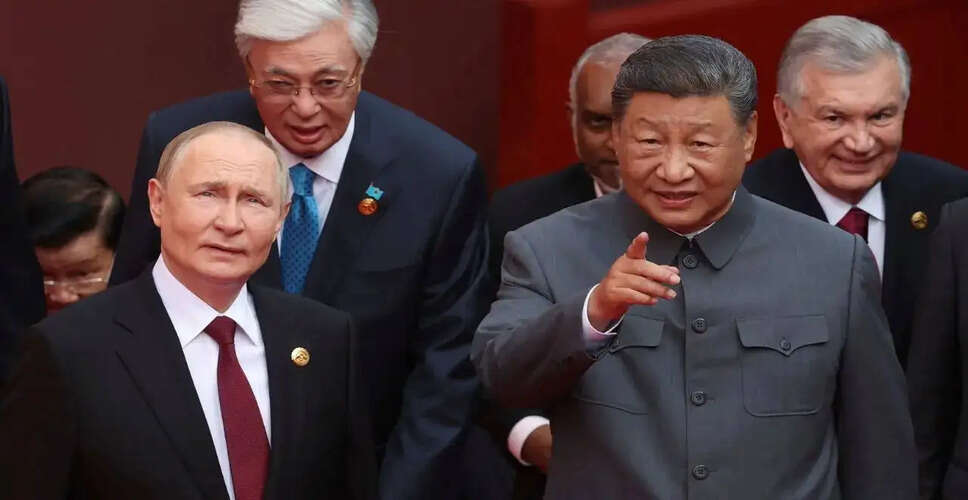
During a meeting with Russian President Vladimir Putin in Beijing, Chinese President Xi Jinping expressed grave concerns about the escalating conflict in the Middle East, warning that it could lead the world back to a state of chaos. He emphasized that the ongoing tensions pose a significant threat to global stability, as reported by state media.
Xi remarked, “The world is at risk of reverting to the law of the jungle,” highlighting that unilateral military actions and extended warfare are undermining international norms and order. His comments come amid the intensifying US-Israel conflict with Iran, which is disrupting energy routes and global trade.
He urged for an immediate cessation of hostilities, stating, “It is crucial to halt the fighting,” and underscored the importance of negotiations as tensions escalate. Xi also pointed out that the ongoing war is detrimental to the global economy, asserting that ending the conflict would alleviate disruptions in energy supply and international trade.
These statements mark some of the strongest public remarks from Beijing since the conflict began in late February, reflecting China's growing apprehension about the economic ramifications of a prolonged crisis in the Gulf region, particularly around the vital Strait of Hormuz.
Recent Diplomatic Engagements
Trump's Visit and Discussions on Iran
Xi's comments followed a recent visit by US President Donald Trump to Beijing, where discussions included the necessity of keeping the Strait of Hormuz open and preventing Iran from acquiring nuclear weapons. The White House noted that both leaders agreed on the importance of maintaining free energy flow through the Strait.
While the White House emphasized the need for open shipping lanes, China's official statement was more reserved, indicating that Xi and Trump exchanged views on significant international and regional matters, including the situation in the Middle East.
Strengthening China-Russia Relations
Enhanced Cooperation Between China and Russia
During the discussions, Xi also pointed out the strengthening ties between China and Russia, advocating for the development of a more equitable global governance framework. Putin extended an invitation for Xi to visit Russia next year, as reported by state media.
Both nations have maintained a coordinated stance during the Iran conflict, criticizing Western military interventions in the region. Thus far, China has sought to uphold a balanced diplomatic approach, steering clear of direct confrontations with the US while prioritizing stability in energy and trade sectors.
However, Xi's recent remarks indicate a growing concern regarding the broader global implications of the ongoing conflict. As the war in the Middle East continues into its third month, with oil supply routes under strain and rising tensions, Xi's message to Putin was unmistakable: without diplomatic negotiations, the conflict could significantly alter not only the regional landscape but also the global power dynamics.