
Women's Reservation Bill: A Milestone for Gender Equality in Governance

A Major Advancement for Women's Empowerment
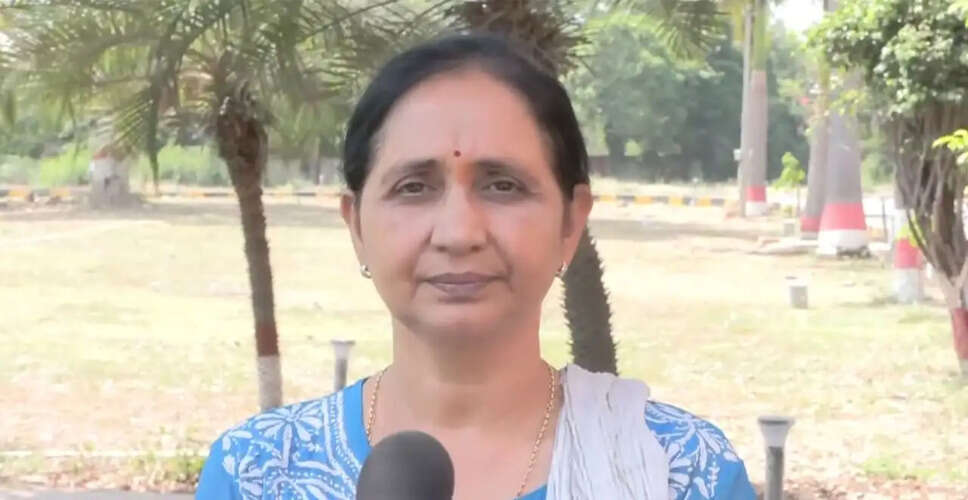
Neeta Dumre, a former international hockey player, has expressed her support for the upcoming Women's Reservation Bill, viewing it as a crucial advancement for enhancing women's roles in governance.
Comments on the Bill's Significance
In a statement, Dumre remarked, "The introduction of the Women's Reservation Bill is a fortunate development for India. After many years, the proposal to allocate 33% for women's empowerment is being considered. Currently, women make up only 13-15% of parliamentarians, which is quite low. This legislation will elevate the status of women in our nation. I believe no political party will oppose this initiative. I extend my congratulations and gratitude to all political entities in India for their support. This will greatly aid in empowering women across the country."
Implementing the Nari Shakti Vandan Adhiniyam
Dumre's comments come as the government works to implement the Nari Shakti Vandan Adhiniyam, which stipulates a 33% reservation for women in both the Lok Sabha and State Legislative Assemblies.
Possible Expansion of Lok Sabha and Delimitation Plans
Sources indicate that the government is contemplating an amendment bill that could expand the Lok Sabha from its current 543 seats to 816. Of these, at least 273 seats are expected to be reserved for women. This legislative initiative may also involve amendments related to the 2023 Act and the introduction of a Delimitation Commission Bill. Reports suggest that the 2011 Census could serve as the foundation for the proposed delimitation and seat redistribution.
Timeline for Implementation and Cabinet Endorsement
In a significant development, the Union Cabinet has approved a draft amendment to the Women's Reservation framework, setting the stage for its implementation in the 2029 Lok Sabha elections. This decision is regarded as a pivotal step towards improving women's representation in legislative bodies.
Promoting Inclusive Representation
In a previous editorial regarding the Act, Prime Minister Narendra Modi emphasized the increasing involvement of women in various sectors and the necessity of enhancing their participation in decision-making roles. The Nari Shakti Vandan Adhiniyam also ensures reservation within reserved categories, thereby promoting representation for women from Scheduled Castes and Scheduled Tribes, marking a significant advancement towards inclusive political empowerment.