
Will Fuel Prices in India Remain Stable Amid Global Tensions?

Government Assures No Immediate Fuel Price Hike
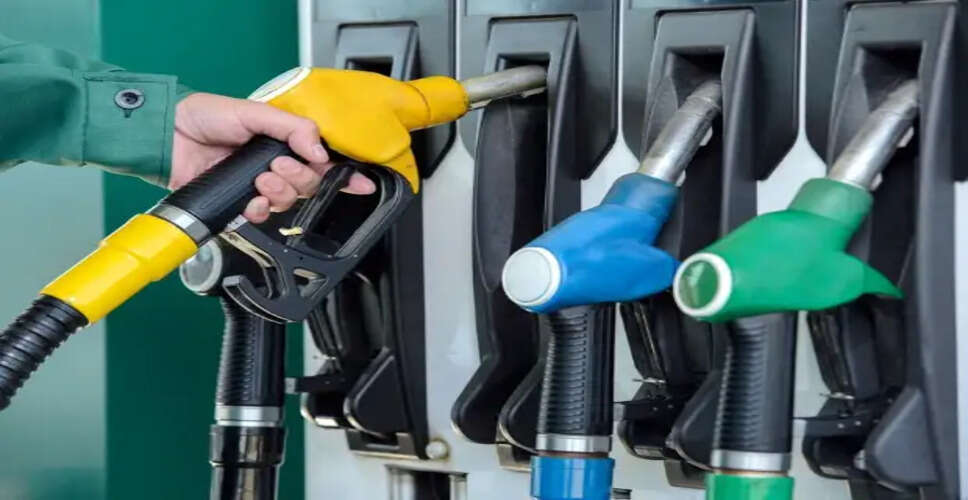
New Delhi: On Tuesday, the central government announced that there are currently no plans to raise retail fuel prices, aiming to alleviate worries amidst escalating geopolitical tensions in West Asia that are affecting global energy markets.
During an inter-ministerial briefing, Sujata Sharma, Joint Secretary in the Ministry of Petroleum and Natural Gas, confirmed that petrol and diesel prices will remain stable for the time being, while the government keeps a close watch on the changing circumstances.
She also provided reassurance to consumers regarding the sufficient availability of essential fuels.
Sharma stated, “LPG, petroleum, and diesel are adequately stocked, and there has been no price increase, so there is no need for panic.”
She acknowledged that the ongoing crisis in West Asia has impacted imports of crude oil, liquefied petroleum gas (LPG), and piped natural gas (PNG), but emphasized that measures are in place to minimize disruptions.
According to her, “The government has guaranteed a full supply for domestic LPG and PNG users, as well as for CNG utilized in transportation.”
While commercial LPG supplies have faced some challenges, availability has been restored to approximately 70%, with critical sectors like hospitals and educational institutions receiving priority.
Sharma added, “Essential industries, including pharmaceuticals, steel, seeds, and agriculture, are also being prioritized to prevent significant supply issues.”
To assist vulnerable populations, the distribution of 5-kg free trade LPG cylinders, often used by migrant workers, has nearly doubled.
This government assurance comes at a time when global oil markets are experiencing volatility due to uncertainties in West Asia, a major oil-producing area.
Officials indicated that the situation is being monitored closely to ensure supply stability and to avert any immediate effects on domestic fuel prices.