
Why Are Pharmacies in Jharkhand Shutting Down? The Fight Against Online Medicine Sales Explained!
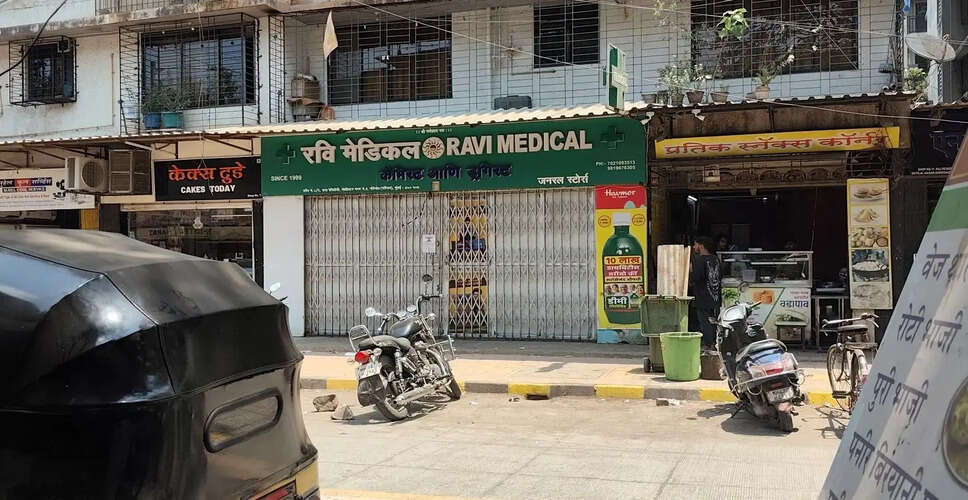

Pharmacies in Jharkhand Join Nationwide Protest
On Wednesday, numerous pharmacies throughout Jharkhand participated in a nationwide strike opposing the sale of medications via online platforms and e-pharmacies.
This protest, organized by the All India Organisation of Chemists and Druggists (AIOCD), impacted various districts including Palamu, Garhwa, Latehar, Hazaribag, Khunti, and the state capital, Ranchi.
The closure of these medicine shops was a direct response to the perceived threat posed by online and e-pharmacy sales, aimed at protecting the livelihoods of traditional chemists and ensuring public health, as stated by Umesh Kumar Srivastava, president of the Jharkhand Chemists and Druggists Association.
Srivastava claimed that the competitive pricing strategies of online platforms, which often include significant discounts, are undermining the business of local pharmacies.
He further expressed concerns regarding the quality of medications sold online, suggesting that substandard products could jeopardize patient safety.
Additionally, he accused many online vendors of operating with temporary licenses, violating regulations that require trained pharmacists to oversee medication sales.
Srivastava also highlighted the potential misuse of online services for acquiring narcotics and addictive substances through fraudulent prescriptions, which he believes is negatively affecting the youth.
He called on the central government to intervene and repeal GSR-220(E), a regulation that allows online medicine sales, arguing that it contributes to the distribution of counterfeit drugs.