
Why Are General Coaches Always at the Ends of Trains?

Understanding the Placement of General Coaches
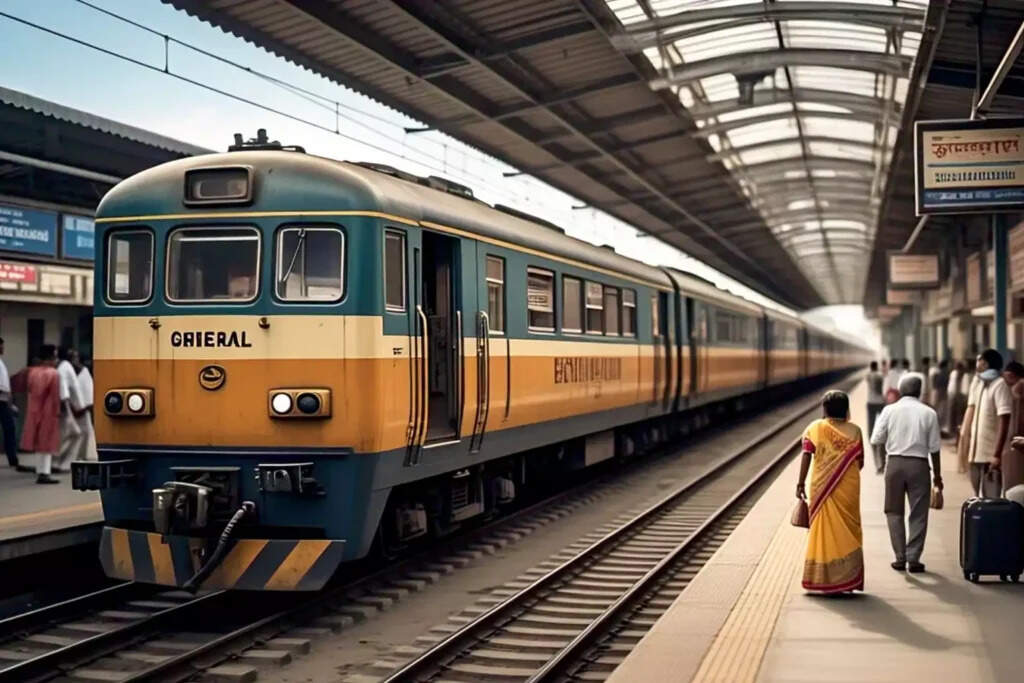
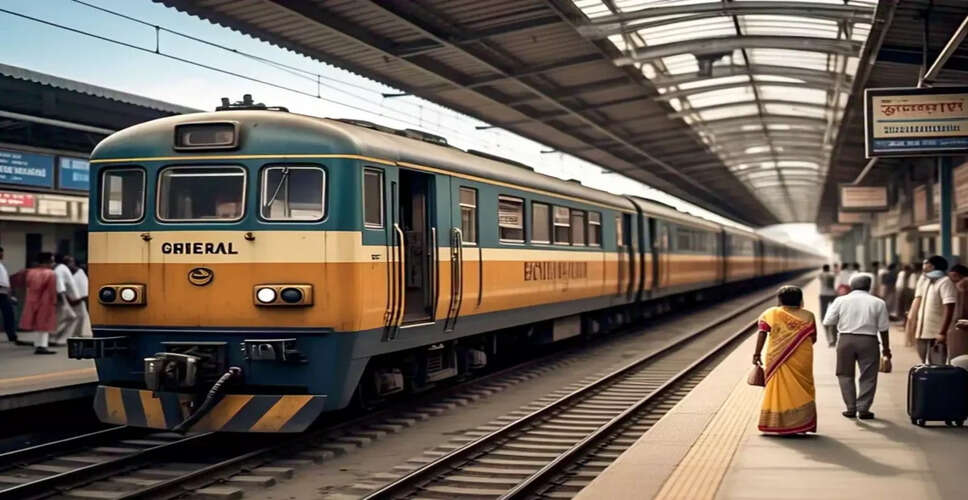
Many of us have traveled by train, whether for short trips to nearby towns or for long-distance journeys. Trains typically consist of various coaches, including general, sleeper, and AC coaches. If you've paid attention, you might have noticed that general coaches are usually positioned at the front or back of the train.
This observation may have led you to wonder why unreserved/general coaches are only placed at the ends of express and superfast trains. Why aren’t they located in the middle? In this article, we aim to answer that question.
There are several reasons behind this arrangement. Recently, a young man expressed his frustration on Twitter regarding the placement of these coaches, questioning why there are only two general coaches in a 24-coach train and why they are always at the ends. He even tagged the railway department in his tweet, suggesting that this might be a way to ensure that the poorest passengers are the first to suffer in case of an accident.
In response to his inquiry, railway official Sanjay Kumar stated, 'It's good to ask questions, but the reasoning is practical. This arrangement is for the convenience of passengers. General coaches tend to be crowded. Imagine if they were in the middle; the entire platform would be blocked as passengers try to board and disembark, hindering movement in both directions.'
The primary reason for placing general coaches at the ends is to avoid congestion on the platform. This way, the crowd can be divided into two groups: some will move towards the back, while others will head to the front. This setup also aids railway officials in managing emergencies and controlling difficult situations on the platform.