
What’s Next for India-US Trade Talks? Key Developments Unveiled!
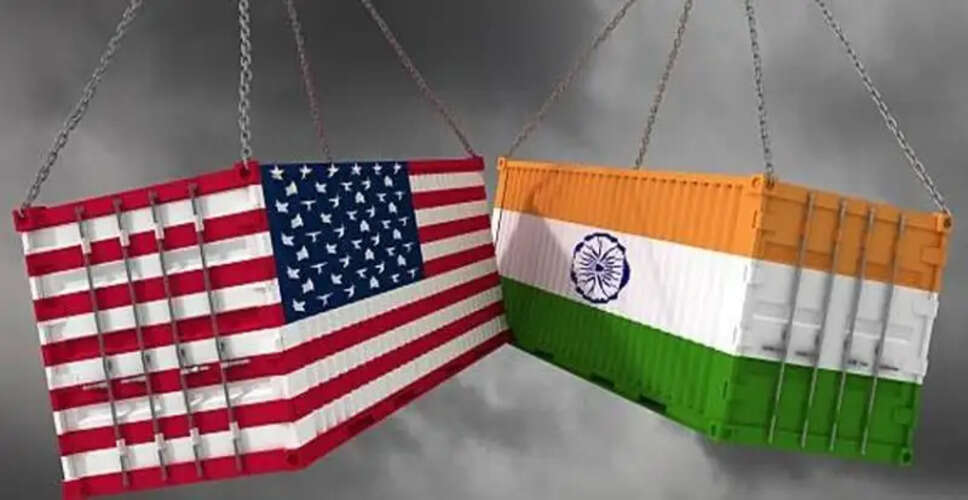

High-Level Trade Discussions Between India and the US
New Delhi: On Tuesday, India and the United States engaged in crucial trade discussions aimed at revising a proposed bilateral trade agreement, which was disrupted by recent changes in US tariff policies.
Commerce and Industry Minister Piyush Goyal met with US Trade Representative Jamieson Greer in New Delhi, as both parties aimed to finalize an interim trade agreement before the expiration of a temporary 10% tariff on imports from trading partners on July 24.
Goyal expressed his enthusiasm for the talks on social media, welcoming Greer and his delegation, and highlighting the importance of the bilateral trade agreement.
Greer's visit follows a recent meeting between Prime Minister Narendra Modi and US President Donald Trump at the G7 summit in France, which has revitalized trade negotiations viewed as vital for enhancing economic relations.
The US Embassy in India emphasized that the bilateral trade partnership benefits both nations, creating jobs in American manufacturing while supporting India's growth as a leading democracy.
The embassy further noted that Greer and Goyal's meeting was part of ongoing negotiations initiated by Trump and Modi.
The focus of the discussions was to revisit a framework agreement established in February, which was complicated by a US Supreme Court ruling that invalidated extensive tariffs previously announced by Trump.
Additionally, Finance Minister Nirmala Sitharaman met with Greer to discuss enhancing bilateral trade and economic collaboration, aiming for new growth opportunities.
The meeting, held at the commerce ministry's headquarters, included key officials and is expected to continue into Wednesday.
The negotiations are particularly significant for India, as securing preferential tariff treatment has become a priority following changes in US tariff policies that diminished India's competitive edge against regional rivals like Vietnam.
Initially, the US had agreed to lower tariffs on Indian goods to 18%, but subsequent legal rulings and the imposition of a temporary 10% tariff necessitated a reevaluation of the agreement.
Agrawal indicated that the discussions are aimed at finalizing the framework deal, with Trump stating that the two nations are 'very close' to concluding the trade agreement.
Goyal previously mentioned that both countries are working towards resolving outstanding issues in the interim trade agreement, with hopes of executing a vibrant first phase by mid-next month.
The BTA negotiations officially commenced on February 13, 2025, with the initial phase outlined based on the tariffs imposed by the US on Indian goods.
However, the Supreme Court's ruling on February 20 led to the imposition of a 10% tariff on all imports for 150 days, set to expire on July 24.
Under the proposed framework, India aims to eliminate or reduce tariffs on a variety of US industrial goods and agricultural products, including various food items and energy products.
India has also expressed intentions to purchase $500 billion worth of US energy products, aircraft, and technology over the next five years.
As the tariff situation evolves, both nations are reassessing the agreement's framework, which includes provisions for modifying commitments in response to tariff changes.
To maintain leverage, the US Trade Representative initiated two Section 301 investigations covering around 60 economies, including India, focusing on industrial capacity and forced labor issues.
When the initial phase of the agreement was established, India held a competitive advantage over countries in the ASEAN region and others.
In the fiscal year 2025-26, the US remained India's second-largest trading partner, with a slight increase in exports despite high tariffs, while imports surged significantly.