
What’s Next for H-1B Visa Holders? Public Reaction to Proposed Changes Surges
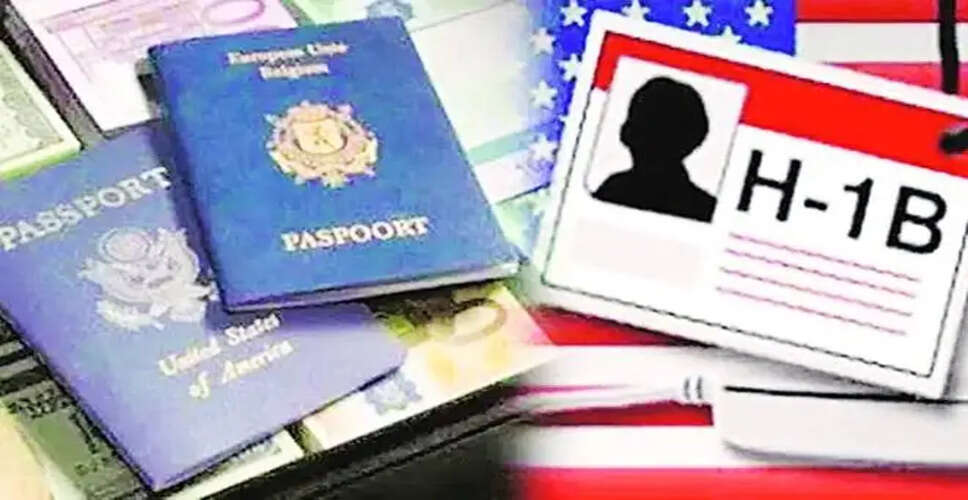

Public Outcry Over H-1B Visa Proposal
Washington: A proposal from the Trump administration aiming to eliminate the 60-day grace period for H-1B visa holders who lose their jobs has sparked significant public interest, garnering over 31,000 comments as the submission deadline neared.
As of Tuesday night, the count of comments reached 31,383, a notable increase from approximately 27,000 on November 2 and 30,382 earlier that day, indicating heightened public engagement with this immigration policy.
The Department of Homeland Security (DHS) introduced this proposed rule on September 11, which seeks to revoke the current regulation that allows certain foreign workers a 60-day window to secure new employment, adjust their immigration status, or prepare to depart the U.S.
This provision applies not only to H-1B workers but also to other temporary visa categories such as L-1, O-1, and TN, including their dependents.
Currently, eligible workers can remain in the U.S. for up to 60 days after their employment ends or until their authorized stay expires, whichever comes first.
Should this proposal be enacted, individuals who lose their jobs would forfeit this discretionary protection and would generally need to leave the U.S. unless granted permission to stay.
DHS contends that a foreign worker's immigration status should be directly tied to their employment.
The department has stated that the existing grace period is not required by law and adds unnecessary administrative burdens.
DHS noted that immigration officials had to assess whether this provision applied to over 1.9 million petitions and applications from October 2017 to May 2026.
Using revoked employment petitions as a benchmark, the department estimated that an average of 65,752 foreign workers annually experienced job loss or changes between fiscal years 2021 and 2025.
Out of these, approximately 3,795 had new employer petitions submitted within the grace period each year.
DHS recognized that removing this provision could lead to financial losses, relocation costs, or immigration proceedings for some workers.
This proposal is particularly crucial for Indian nationals, who represent the majority of H-1B beneficiaries.
According to USCIS data referenced in its fiscal 2025 report to Congress, around 70% of the 406,348 approved H-1B petitions were for individuals born in India, while China accounted for about 12%.
The grace-period proposal has received more public comments than two other pending DHS initiatives affecting international students and skilled foreign workers.
Another proposal, which would impose fees of $70,000 for initial Optional Practical Training and $30,000 for subsequent training, had attracted 8,947 comments by Tuesday night, with its comment period closing on Monday.
A third proposal aimed at eliminating the practice of generally deferring to previous USCIS approvals for extension applications under unchanged circumstances had received 686 comments, with a deadline of November 13.
The sheer volume of comments does not necessarily indicate whether respondents are in favor of or against the proposals.
DHS will review the feedback before determining whether to finalize the rule, which will outline when any changes would take effect.
The 60-day grace period was established by a regulation that became effective on January 17, 2017.
The H-1B program allows U.S. employers to hire foreign professionals for specialized roles, particularly in fields like technology and engineering.