
What’s New in the Viksit Bharat Guarantee Bill? A Shift from MGNREGA Explained
Introduction of the Viksit Bharat Guarantee Bill
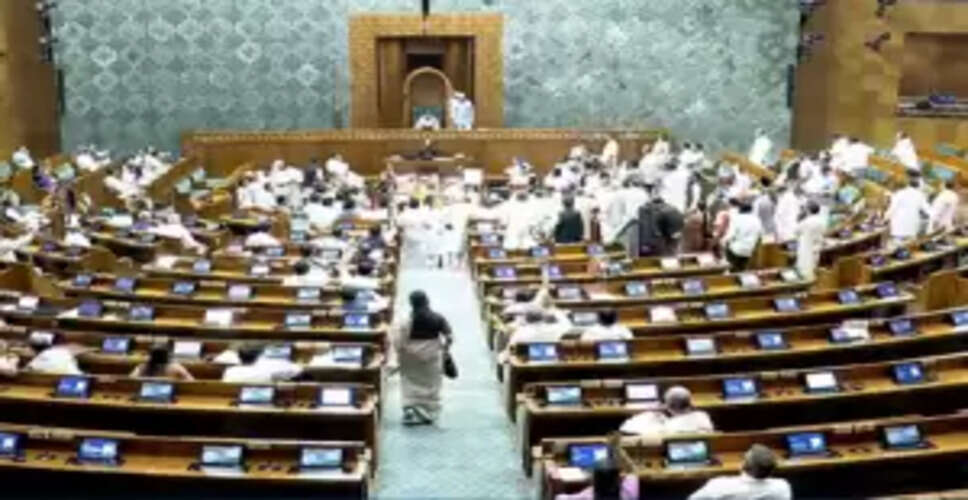
New Delhi: On Tuesday, Union Minister Shivraj Singh Chouhan presented the Viksit Bharat Guarantee for Rozgar and Ajeevika Mission (Gramin) (VB-G RAM G) Bill, 2025, in the Lok Sabha, aiming to replace the current rural employment scheme, MGNREGA.
The introduction of this bill faced strong opposition from various members, who called for it to be reviewed by a parliamentary committee for thorough examination.
Prominent figures, including Congress's Priyanka Gandhi, expressed their discontent regarding the removal of Mahatma Gandhi's name from the new legislation, which is set to replace the Mahatma Gandhi National Rural Employment Guarantee Act of 2005.
The proposed bill guarantees 125 days of wage employment annually for every rural household willing to engage in unskilled manual labor.
States will be required to develop a scheme that aligns with the new law within six months of the VB-G RAM G Act's enactment.
The Rural Development Ministry stated that this legislation aims to create a modern statutory framework that supports the vision of 'Viksit Bharat 2047.'
The bill focuses on generating employment and building sustainable rural infrastructure through four key areas: water security initiatives, essential rural infrastructure, livelihood-related projects, and special measures to address extreme weather challenges.
All constructed assets will be compiled into the Viksit Bharat National Rural Infrastructure Stack, promoting a cohesive national development strategy, according to the ministry.
The ministry described this initiative as a significant enhancement over MGNREGA, addressing its structural flaws while improving employment opportunities, transparency, planning, and accountability.