
What’s New in the Seed Act 2026? Key Changes for Farmers Revealed!
Introduction of the Seed Act 2026
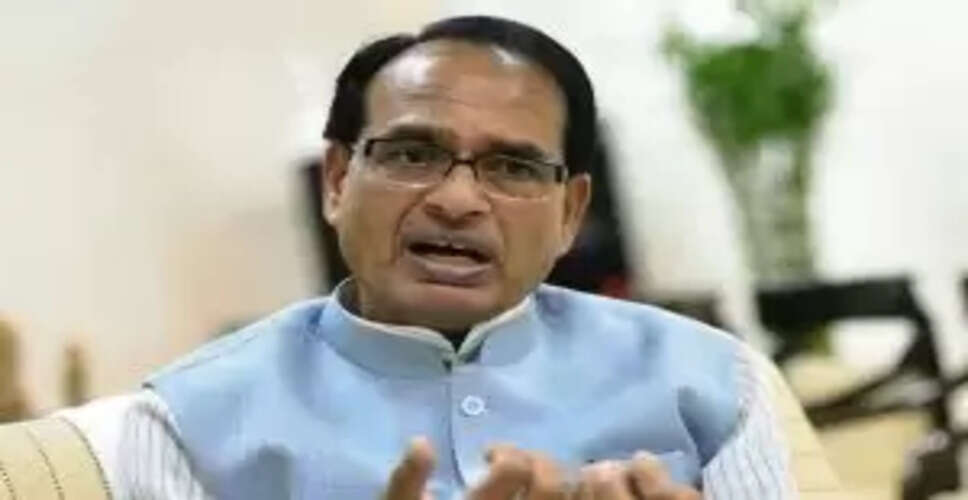
New Delhi: On Friday, Union Minister for Agriculture and Farmers’ Welfare, Shivraj Singh Chouhan, introduced the new Seed Act 2026. This legislation mandates the registration of seed companies and imposes penalties of up to Rs 30 lakh for the distribution of inferior seeds.
Chouhan emphasized that this proposed law marks a significant advancement in safeguarding farmers' interests, ensuring seed quality, and enhancing transparency within the agricultural sector.
Under the new regulations, each seed packet will feature a QR code that farmers can scan to obtain comprehensive details about its origin. This initiative aims to combat the sale of counterfeit or substandard seeds and facilitate prompt action against offenders.
The minister announced the establishment of a nationwide seed traceability system, stating, "We have developed a framework to track the seed's production location, the dealer who supplied it, and the seller involved."
Furthermore, all seed companies will be required to register, clarifying which entities are authorized to operate. Chouhan noted, "Information about registered companies will be accessible, preventing unauthorized sellers from distributing seeds." This measure aims to eliminate fraudulent companies and ensure that farmers receive seeds from trustworthy sources.
Once the traceability system is in place, any fake or low-quality seeds will be swiftly identified. Chouhan remarked, "Inferior seeds will not infiltrate the market, and if they do, they will be detected. Suppliers of such seeds will face penalties." This initiative seeks to eradicate deceptive practices by companies and dealers that mislead farmers.
The Agriculture Minister asserted that there will be a strict policy against negligence regarding seed quality. He explained, "Previously, the maximum fine was Rs 500. Now, we propose a penalty of up to Rs 30 lakh, with additional punitive measures for intentional violations."
The Seed Act encompasses provisions at three levels: public sector institutions (including the Indian Council of Agricultural Research, agricultural universities, and Krishi Vigyan Kendras), domestic companies producing high-quality seeds, and a robust evaluation process for foreign seeds.
Chouhan assured that imported seeds will only be approved after rigorous testing and assessment. He stated, "We will bolster our public institutions and domestic private sector to ensure that quality seeds reach farmers."
Additionally, he addressed concerns regarding potential restrictions on traditional seeds utilized by farmers, clarifying, "Farmers are free to plant their own seeds and share them with others. The traditional practice of seed exchange at the community level will continue without disruption." He highlighted rural customs where farmers exchange seeds during planting and return them later with extra quantities, affirming that such traditions will remain intact.