
What’s Brewing in Parliament? Rahul Gandhi Demands Accountability Over NEET Protests

Urgent Call for Discussion in Parliament
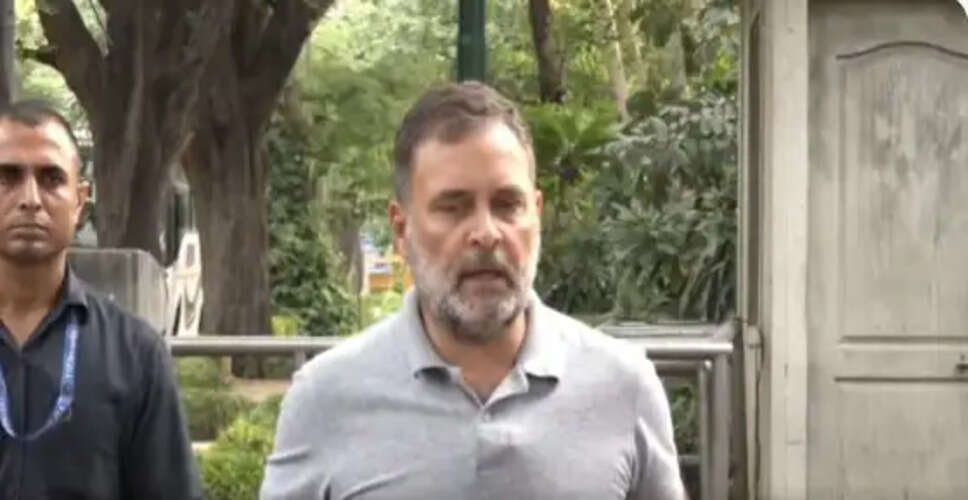
In New Delhi, members of the INDIA bloc are gearing up to demand an immediate discussion in Parliament regarding the alleged excessive force used against students protesting the NEET paper leak. Rahul Gandhi has reached out to Home Minister Amit Shah, urging for accountability, while TMC's Sagarika Ghose has submitted a notice to suspend the day's business to address this critical issue.
The government is set to introduce a bill in the Lok Sabha aimed at strengthening laws against paper leaks. Meanwhile, the Cockroach Janta Party (CJP) has halted its protests following the resignation of Dharmendra Pradhan as education minister and the acceptance of other demands by the government. However, Congress and other opposition parties remain resolute in their stance.
They are expected to press the government for explanations in both Houses regarding the use of pellet guns, the presence of plainclothes officers during the protests on July 20, and the injuries sustained by numerous students.
In his letter to Shah, Gandhi, who serves as the Leader of Opposition in the Lok Sabha, condemned what he described as a brutal assault on peaceful student demonstrators. He questioned whether the home minister had sanctioned the use of lethal measures, including pellet guns, against the youth.
Gandhi claimed that many students were injured during the police crackdown and alleged that female protesters faced assaults from law enforcement.
He specifically mentioned 19-year-old Sahil Lochab, whom he met recently, stating that the student might lose vision in one eye after being struck by pellets during the protest.
Gandhi also inquired about the identity of the individuals in plain clothes who were seen attacking students with sticks, questioning whether they were police officers or volunteers and who had authorized their presence.
He emphasized that peaceful protest is a fundamental aspect of democracy, asserting that it is the government's duty to safeguard protesters and engage with their concerns through dialogue.
In a separate move, Trinamool Congress's Ghose submitted a notice under Rule 267, seeking to suspend the day's business in the Rajya Sabha to facilitate an urgent discussion on the alleged excessive force used against student protesters during the NEET examination demonstrations.
Ghose labeled the situation as one of grave national significance, highlighting that the right to peaceful protest is constitutionally protected, yet student demonstrators have reportedly faced lethal and semi-lethal force from security personnel.
Her notice referenced reports of pellet gun injuries, including the potential loss of vision for one student due to the actions of the Rapid Action Force, and demanded clarity on who authorized such measures and what protocols were in place.
Eyewitness accounts also indicated that individuals in plain clothes employed violent tactics against students.
A senior opposition figure remarked that Pradhan's resignation does not signify the conclusion of the matter.
They stated, "Pradhan's resignation is merely a pause; the Prime Minister should apologize to the students, and the Home Minister must clarify the source of the pellets and who permitted their use. An investigation into the Home Minister's role is essential. The youth have now entrusted this issue to Members of Parliament."
The topic is anticipated to dominate discussions when Parliament convenes, with the Opposition poised to challenge the government regarding the crackdown on July 20, while the Centre aims to advance new legislation addressing paper leaks.
The initial week of the Monsoon Session was overshadowed by protests from the Opposition, which supported the Chief Justice-led movement concerning the NEET issue.
The Public Examinations (Prevention of Unfair Means) Amendment Bill, 2026, scheduled for introduction in the Lok Sabha, proposes establishing fast-track courts in each state for handling paper leak cases, with investigations to be completed within two months.
The bill also includes provisions for harsher penalties, such as imprisonment for up to 10 years and fines reaching Rs 50 lakh for those involved in paper leaks. Organized crimes related to paper leaks could incur fines of up to Rs 10 crore.
These proposed amendments follow widespread protests over the NEET paper leak, which began on June 20 at Jantar Mantar and gained traction after activist Sonam Wangchuk initiated an indefinite fast on June 28.
The police action on July 20 against protesters marching towards Parliament marked a pivotal moment in the movement, leading to allegations of excessive force, including the reported use of pellet guns.
The 36-day protest concluded on Saturday after the government accepted key demands from the demonstrators and Dharmendra Pradhan resigned as education minister. The Delhi Police has denied using pellet guns during the July 20 protest, while the CRPF has not publicly addressed allegations concerning the Rapid Action Force.