
What’s Brewing Between India and Bangladesh? Dinesh Trivedi Meets PM Tarique Rahman Amid Tensions

Diplomatic Engagement Amid Strained Relations
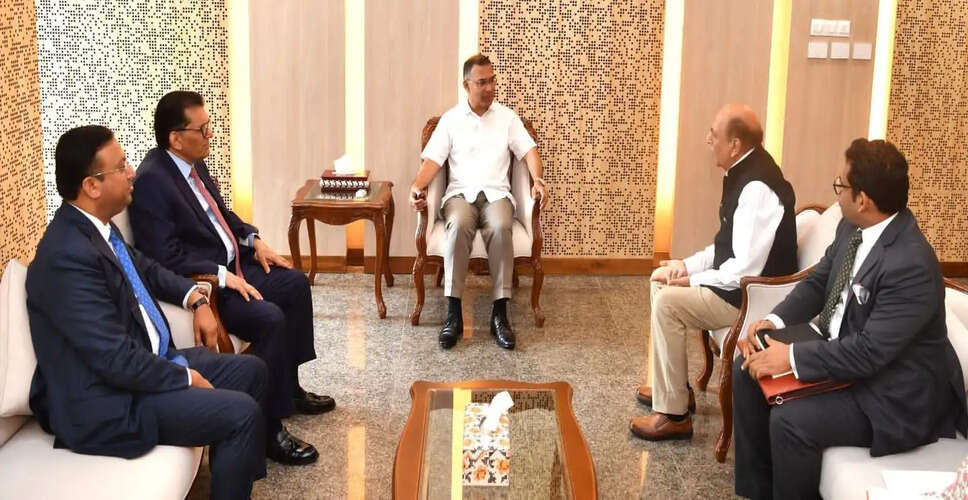
On Monday, Dinesh Trivedi, the Indian High Commissioner to Bangladesh, met with Prime Minister Tarique Rahman in Dhaka, amidst rising tensions between the two nations. This meeting follows a controversial virtual media interaction by former Prime Minister Sheikh Hasina in New Delhi last week.
The discussion lasted approximately thirty minutes and was anticipated to enhance the bilateral relationship between India and Bangladesh, as noted by the Bangladesh High Commission in New Delhi on social media.
Details of their conversation remain undisclosed. This was Trivedi's inaugural courtesy visit to Rahman since he assumed his role as High Commissioner over six weeks ago, holding the rank of Union Minister. Notably, Trivedi is the first politician to serve in this diplomatic capacity.
The meeting occurs against the backdrop of speculation regarding Rahman's attendance at the upcoming BRICS summit in New Delhi, scheduled for September 12-13.
Tensions have escalated following Hasina's remarks during her media interaction on August 5, where she expressed her commitment to returning to Bangladesh in December to restore democracy, despite the potential risks of imprisonment or a death sentence.
Bangladesh officials expressed their discontent over Hasina's comments, claiming they have offended the sentiments of the Bangladeshi populace and could hinder efforts to mend ties with India. They labeled Hasina as a fugitive and a convicted war criminal.
In response, India's Ministry of External Affairs clarified on August 7 that it had no involvement in the media event concerning Hasina and does not support any statements made regarding the Bangladeshi government.
Trivedi suggested on Sunday that a meeting between Rahman and Indian Prime Minister Narendra Modi could pave the way for resolving ongoing issues in their bilateral relations.
He expressed confidence that such a meeting would address many concerns, highlighting the mutual respect both leaders have for each other.
Additionally, Trivedi met with Bangladesh's Foreign Minister Khalilur Rahman on Sunday, but specifics of their discussion were not disclosed.
It is known that this meeting was pre-arranged, and details remain unclear, according to a senior official familiar with the discussions.
Hasina was ousted in August 2024 following violent protests led by students, subsequently fleeing to India. In November 2025, she was sentenced to death in absentia by a special tribunal in Bangladesh for alleged crimes against humanity during the crackdown on demonstrators.
Since then, Dhaka has been pursuing her extradition from India.
This latest diplomatic strain occurs as India and Bangladesh attempt to reset their relationship following the rise of Rahman's Bangladesh Nationalist Party to power in February, after a period of tension under the interim government, which included issues like Hasina's extradition, border disputes, and Bangladesh's foreign policy leaning towards China.
The current Bangladeshi administration asserts that Hasina must return and face justice if she comes back.