
What to Expect from the Upcoming All-Party Meeting on West Asia Crisis?
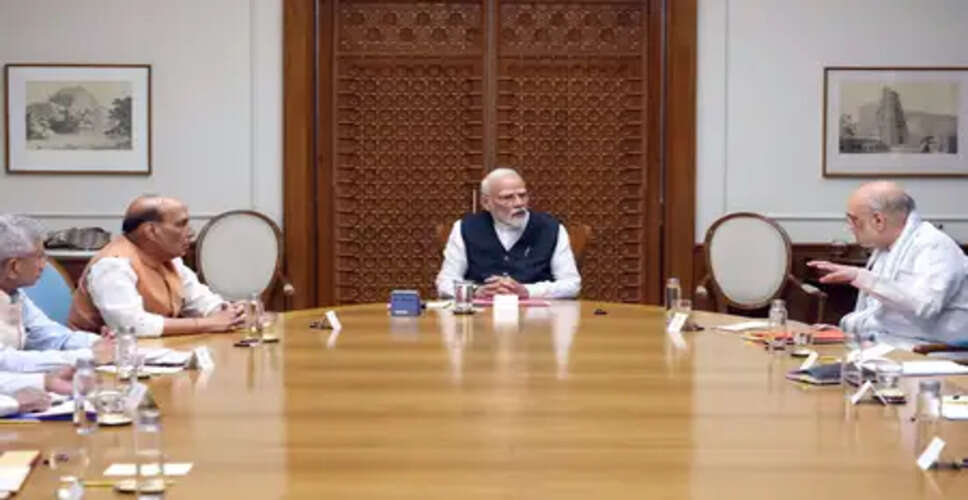
Government to Convene All-Party Meeting Amid West Asia Tensions
New Delhi: An all-party meeting is set to take place on Wednesday, aimed at updating political leaders on the ongoing crisis in West Asia, which has raised significant economic and security concerns for India.
Scheduled for 5 PM within the Parliament premises, the meeting will be led by Defence Minister Rajnath Singh. External Affairs Minister S. Jaishankar is anticipated to provide insights into the latest developments and India's diplomatic position.
This initiative follows Prime Minister Narendra Modi's remarks in Parliament, where he characterized the situation as an 'unprecedented crisis' with potentially enduring effects.
The conflict in West Asia has now persisted for four weeks, impacting vital maritime trade routes, especially through the Strait of Hormuz. These tensions have led to fluctuations in global energy markets and heightened worries regarding supply chains and inflation, prompting the government to enhance discussions with political stakeholders.
Opposition parties, notably the Congress, have been urging the government for a thorough debate in Parliament regarding this issue. In the Rajya Sabha, Opposition Leader Mallikarjun Kharge criticized the government's choice to conduct a briefing instead of a full debate, asserting that the seriousness of the situation necessitated a detailed discussion in the House.
Rahul Gandhi, the Leader of the Opposition in the Lok Sabha, also criticized the government, claiming that India's foreign policy has become 'compromised' and influenced by personal interests rather than national priorities. While he welcomed the all-party meeting, he mentioned he would be unable to attend due to a prior commitment in Kerala.
This all-party meeting follows a high-level security review led by Rajnath Singh, which included Chief of Defence Staff General Anil Chauhan, the three service chiefs, and senior officials, including DRDO Chairman Dr. Samir Kamat, to evaluate the changing regional dynamics.
As geopolitical tensions rise and their global implications become increasingly evident, this meeting is expected to be a crucial opportunity for the government to inform opposition leaders and foster a broader political consensus regarding India's response to the crisis.