
What Led to Vice President Jagdeep Dhankhar's Sudden Resignation? Unraveling the Controversy
A Shocking Resignation
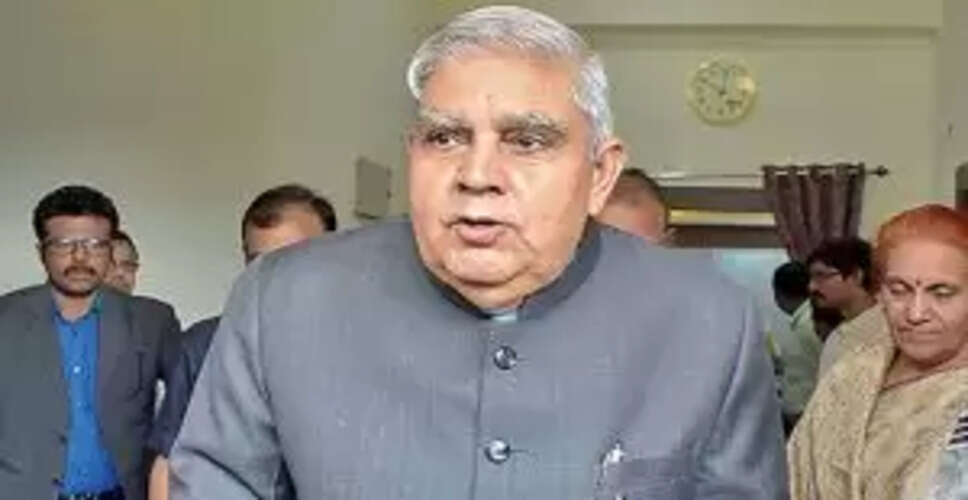
A significant uproar has emerged following the unexpected resignation of Vice President Jagdeep Dhankhar, which he submitted just hours after presiding over the inaugural day of the Rajya Sabha's Monsoon Session on July 21. This incident has been attributed to the government, raising eyebrows and prompting speculation. Dhankhar cited health issues as the reason for his departure, but many who were present during the session noted he appeared to be in good health, casting doubt on the official explanation. With two years remaining in his term, the circumstances surrounding his resignation have led to various theories, particularly among opposition parties, suggesting there may be more to the story than initially presented.
While Dhankhar had previously acknowledged health concerns, the timing of his resignation raises questions. If his health had indeed deteriorated to the point of necessitating his resignation, the public should have been informed beforehand, unless an emergency had occurred. However, there were no indications of such a crisis, as he seemed fit while conducting parliamentary duties earlier that day, including addressing significant matters like the impeachment of High Court judge Justice Yashwant Varma.
Moreover, any Vice President typically benefits from comprehensive healthcare funded by taxpayers, which raises further questions about Dhankhar's decision to resign. After stepping down, he will be responsible for his medical expenses. Notably, two Union ministers were absent from a crucial meeting chaired by Dhankhar earlier that day, adding to the intrigue surrounding his resignation. Throughout his three-year tenure, Dhankhar has been involved in numerous controversies, often taking positions that diverged from the government's stance, particularly regarding farmers' protests and judicial corruption.
In his inaugural speech on judicial accountability in 2022, he criticized the Supreme Court's 2015 ruling that invalidated the National Judicial Appointments Commission (NJAC) Act, labeling it a severe compromise of parliamentary sovereignty. He urged the then Chief Justice of India, DY Chandrachud, to identify a global precedent for such a constitutional reversal. His tenure has also been marked by tensions with the Opposition, which attempted to impeach him unsuccessfully. Notably, Dhankhar had recently stated on July 10 at JNU that he intended to serve until August 2027, suggesting divine intervention may have altered his plans. Prior to his vice presidency, he served as the Governor of West Bengal, where he faced criticism from the Trinamool Congress for allegedly acting more like a BJP leader than an impartial governor. With speculation surrounding his resignation, the potential for further surprises looms, especially given the government's history and Dhankhar's connections to the RSS.