
What Happened During the Monsoon Session of Parliament? A Look at the Disruptions and Legislative Outcomes
Parliament's Monsoon Session Concludes Amidst Chaos
The Monsoon session of Parliament wrapped up on Thursday after a month filled with disruptions and protests from the Opposition regarding the Special Intensive Revision (SIR) of electoral rolls in Bihar, which is gearing up for elections.
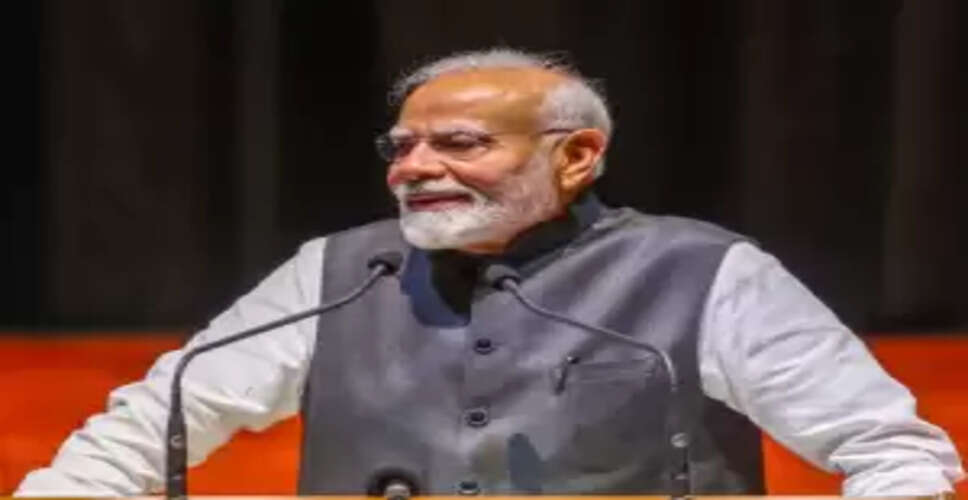
Despite the chaos, the government hailed the session as a "fruitful and successful" one, having completed all planned legislative tasks before adjourning both the Lok Sabha and Rajya Sabha. Prime Minister Narendra Modi expressed his disappointment over the lack of normal proceedings, attributing it to the "insecurity" of Congress leadership that prevents young MPs from engaging in discussions.
These comments were made during an informal gathering of party leaders in Lok Sabha Speaker Om Birla's office after the session concluded, where Opposition leaders were notably absent.
While Modi did not mention Rahul Gandhi directly, his remarks seemed directed at the Leader of Opposition, who has been vocal against the Election Commission's electoral roll revision efforts in Bihar.
The Lok Sabha secretariat reported that the House lost over 84 hours to adjournments, marking the highest disruption in the 18th Lok Sabha since its formation in June last year.
In spite of the interruptions, the government successfully introduced 14 bills and passed 12 significant legislations, including the Promotion and Regulation of Online Gaming Bill, 2025, and the National Sports Governance Bill, 2025. The new Income Tax Bill was also approved by the Lok Sabha and sent back by the Rajya Sabha.
Speaker Birla criticized the "unparliamentary behaviour" of members, calling the planned disruptions unfortunate and detrimental to the dignity of the House.
The session, which began on July 21, included 21 sittings but only managed 37 hours and 7 minutes of effective business, according to the Lok Sabha secretariat.
Birla noted that all parties had initially agreed to hold discussions for 120 hours during this session, but due to ongoing deadlocks and disruptions, they could only achieve 37 hours.
In the Rajya Sabha, Deputy Chairman Harivansh expressed regret over the session being marred by disruptions, which prevented members from addressing significant issues despite the chair's efforts.
He highlighted that the House operated for just 41 hours and 15 minutes, resulting in a disappointing productivity rate of 38.88 percent, warranting serious reflection.
The Question Hour was frequently disrupted, with opposition members raising slogans and displaying placards.
Home Minister Amit Shah introduced three bills aimed at establishing a legal framework for the removal of prime ministers, chief ministers, and ministers arrested for 30 consecutive days on serious charges, leading to heated exchanges in both Houses.
On Thursday, the Rajya Sabha passed a motion to nominate 10 members to a Joint Committee that will review these bills, despite strong opposition protests.
During the meeting led by Speaker Birla, Modi praised the Promotion and Regulation of Online Gaming Bill, which bans real-money games, for its positive societal implications, despite being passed without discussion due to the uproar.
He expressed regret that many important bills could not be debated in Parliament.
When asked about the opposition's absence from the meeting, Parliamentary Affairs Minister Kiren Rijiju suggested that their leaders might have felt "embarrassed" by their conduct during the session.
Rijiju remarked that while Congress members often reach informal agreements with the government, they struggle to implement them, hinting at pressure from their leadership.
He described the Monsoon Session as "fruitful and successful" for the government but "unsuccessful and damaging" for the opposition, emphasizing that the government managed to complete its legislative agenda despite the disruptions.
Rijiju asserted that the government must fulfill its responsibilities to the public and that opposition protests cannot hinder its operations.
He criticized the Congress for failing to allow new MPs to learn through participation in debates and discussions.
The united opposition's protests against the SIR of electoral rolls in Bihar led to repeated adjournments, with the government maintaining that discussions on the administrative work of the Election Commission were not appropriate for Parliament.
The only agenda item that proceeded smoothly was a two-day discussion on Operation Sindoor in both Houses.