
What Does the US Troop Withdrawal from Germany Mean for NATO and Europe?
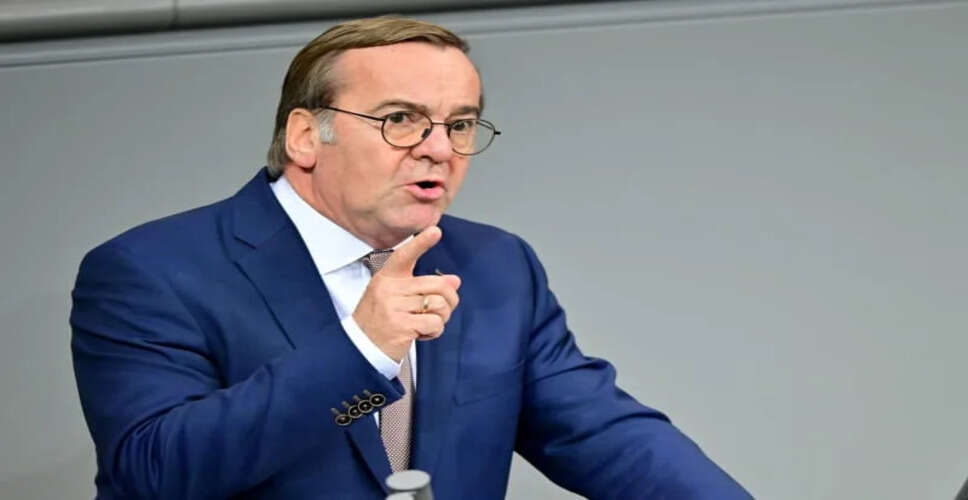

Germany's Defense Minister Responds to US Troop Drawdown
On Saturday, Germany's defense minister, Boris Pistorius, addressed the Pentagon's announcement regarding the planned withdrawal of approximately 5,000 US troops from Germany. He acknowledged that such a drawdown was anticipated and highlighted the mutual advantages of the long-standing US military presence in Europe.
Pistorius emphasized that Europe is recognizing the need to enhance its own security within the framework of NATO, of which Germany is a crucial member. He also pointed out that the US benefits from its military deployment on the continent.
He stated, "The presence of American soldiers in Europe, particularly in Germany, serves both our interests and those of the US," during an interview with the German news agency dpa.
Referring to President Trump's recent threats regarding troop reductions, Pistorius described the withdrawal as "foreseeable."
However, the planned troop reductions over the next six to twelve months signal a further decline in US relations with Germany and its European allies. Trump has expressed frustration over NATO allies' reluctance to support his campaign against Iran and has criticized leaders such as German Chancellor Friedrich Merz, Spanish Prime Minister Pedro Sanchez, and British Prime Minister Keir Starmer.
Last week, Merz condemned the situation in Iran, claiming that the US is being "humiliated" by Iranian authorities and criticized Washington's lack of a coherent strategy.
In addition, Trump has accused the EU of failing to adhere to its trade agreements with the US and announced plans to raise tariffs on cars and trucks imported from the bloc to 25%, a move that could significantly impact Germany's automotive industry.
One EU lawmaker labeled the tariff increase as "unacceptable" and accused Trump of violating yet another US trade commitment.
The withdrawal of 5,000 troops would represent about one-seventh of the 36,000 American service members currently stationed in Germany, marking a significant but not critical reduction. The Pentagon has provided limited information regarding which specific troops or operations will be affected.
Typically, between 80,000 and 100,000 US personnel are stationed in Europe, depending on various operations and troop rotations. The US had increased its military presence in Europe following Russia's full-scale invasion of Ukraine in February 2022, and NATO allies like Germany have anticipated that these troops would be among the first to leave.
Pistorius reiterated the need for Europeans to assume greater responsibility for their security, highlighting Germany's recent initiatives to enhance its military capabilities, expedite procurement processes, and improve infrastructure.
NATO spokesperson Allison Hart stated on X that the alliance is collaborating with the US to understand the specifics of their decision regarding troop levels in Germany. She noted that this adjustment emphasizes the necessity for Europe to invest more in defense and take on a larger share of the responsibility for collective security, mentioning progress toward a goal for NATO allies to allocate 5% of their economic output to defense.
Pentagon spokesperson Sean Parnell confirmed that the decision follows a comprehensive review of the Department's force posture in Europe and reflects the current requirements and conditions on the ground.
Germany hosts several key American military installations, including the headquarters for US European and Africa commands, Ramstein Air Base, and a medical facility in Landstuhl, which has treated casualties from the wars in Afghanistan and Iraq. Additionally, US nuclear missiles are stationed in Germany.
The unpredictable US leader has long contemplated reducing the American military footprint in Germany and has criticized NATO for its lack of support in the ongoing conflict, which escalated on February 28 with US-Israeli strikes on Iran.
NATO allies have been preparing for a potential US troop withdrawal since Trump's administration began, with warnings that Europe would need to take charge of its own security, including that of Ukraine, moving forward.