
What Does the Inclusion of NCPI MPs Mean for the NDA? Insights from the Recent Meeting
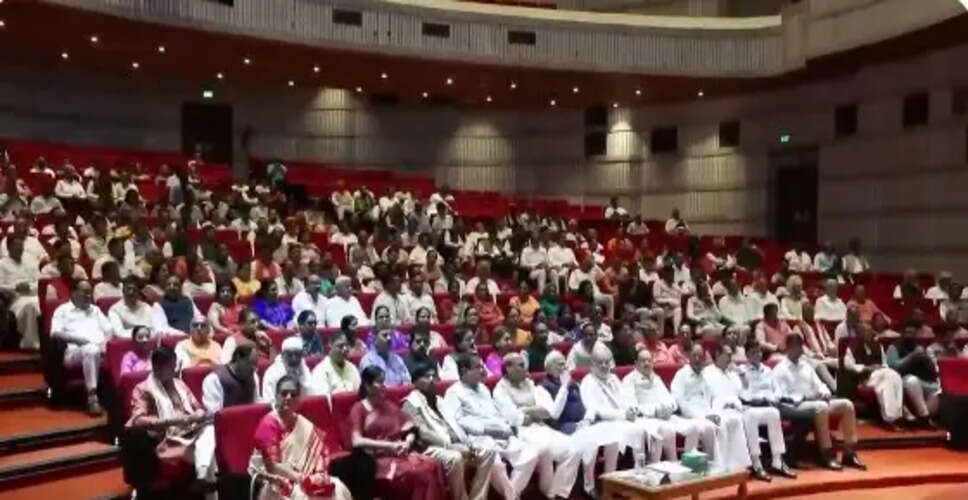

New Developments in NDA with NCPI MPs
New Delhi: In a significant political shift, a group of former Trinamool Congress MPs has joined the Nationalist Citizens Party of India (NCPI) and participated in an NDA parliamentary meeting for the first time, attended by Prime Minister Narendra Modi and key Union ministers.
Twenty Lok Sabha MPs have defected from the TMC to the relatively obscure NCPI. Although they are currently seated separately from TMC members in the Lok Sabha, Speaker Om Birla has yet to decide on granting official recognition to the NCPI.
Following their transition to the NCPI, these MPs pledged their support to the BJP-led National Democratic Alliance. Sudip Bandyopadhyay, a notable member of this group, recently had a meeting with the Prime Minister.
The NDA parliamentary party convened at the Parliament House complex, where NCPI MP Sayoni Ghosh remarked on the enriching discussions held, particularly regarding Free Trade Agreements (FTAs).
Ghosh emphasized the importance of supporting the anti-paper leak bill, which is set for discussion later today.
Kakoli Ghosh Dastidar, another lawmaker, noted that this was the inaugural invitation for 20 NCPI MPs to the NDA's Mangal Milan meeting.
She expressed that the insights gained about the country's progress, FTAs, and agricultural issues would help them communicate these matters effectively to the public.
Actor-turned-politician Satabdi Roy highlighted the organized nature of the meeting, stating that it was a departure from past experiences, where they were informed about upcoming bills, although the Prime Minister did not address the gathering.
This meeting followed student protests over NEET paper leaks and other examination irregularities, which led to the resignation of Dharmendra Pradhan as the education minister.
In response to the unrest among students, the government has committed to strengthening the anti-paper leak legislation, introducing the Public Examination (Prevention of Unfair Means) Amendment Bill 2026 in the Lok Sabha on Monday.
Prominent Union ministers, including Rajnath Singh, Amit Shah, J P Nadda, Nitin Gadkari, Piyush Goyal, and Kiren Rijiju, were present at the meeting.
Union minister Shantanu Thakur stated that the discussions primarily revolved around trade and fisheries.
He noted that there were extensive dialogues regarding advancements in the fisheries sector and the growth in trade and commerce.
Shiv Sena MP Naresh Mhaske added that relevant ministers provided presentations on the country's progress in these areas.