
What Does Nitish Kumar's Resignation Mean for Bihar's Political Future?
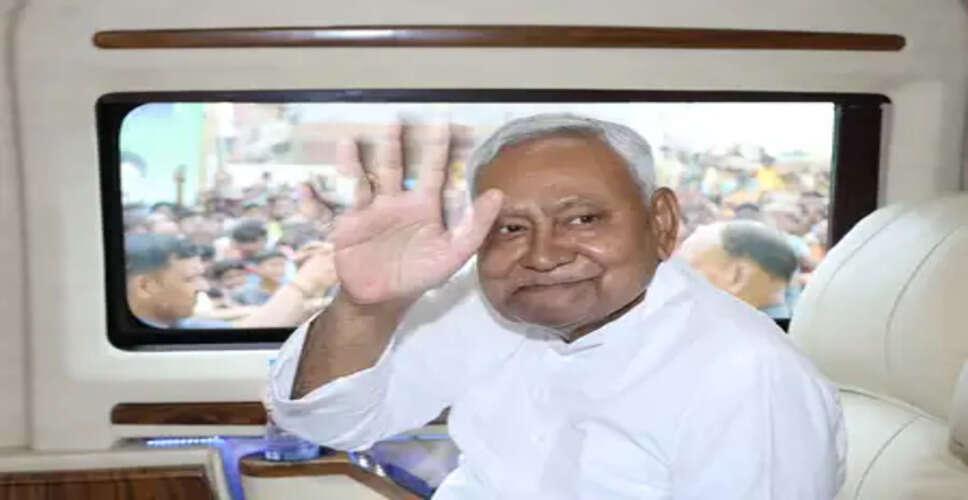

Nitish Kumar Resigns from Legislative Council Ahead of Rajya Sabha Oath
Patna: On Monday, Bihar's Chief Minister Nitish Kumar officially resigned from his position in the Legislative Council, a necessary step before he can take his seat in the Rajya Sabha.
Kumar, who was elected to the Rajya Sabha on March 16 and received his election certificate that same day, is set to take his oath on April 10.
According to constitutional regulations, any individual elected to Parliament must resign from their current legislative role within 14 days; otherwise, their new membership will be voided.
In adherence to this rule, he submitted his resignation on March 30, with MLC Sanjay Gandhi delivering the letter on his behalf.
This resignation signifies the conclusion of Kumar's extensive tenure with the Bihar Legislative Council.
He first joined the council in 2006 and has since completed four consecutive terms: 2006-2012, 2012-2018, 2018-2024, and now 2024 onwards, before his resignation.
Since taking office as Chief Minister in November 2005, Kumar has maintained his role through the Legislative Council rather than running in Assembly elections.
Although he was previously elected as an MLA from Harnaut in 1985 and served in the Lok Sabha, his Chief Ministership has predominantly been linked to the Upper House of the state legislature.
With his forthcoming entry into the Rajya Sabha, Kumar is poised to achieve a significant political milestone, having been a member of all four legislative bodies: the Bihar Legislative Assembly, Lok Sabha, Legislative Council, and now the Rajya Sabha.
This accomplishment is viewed as a unique highlight in his extensive political career.
Following his resignation from the Legislative Council, constitutional guidelines require him to resign as Chief Minister. However, he can remain in this role for up to six months without being a member of either House of the state legislature.
During this timeframe, he must either regain membership or choose a different political path.
Kumar's move to the Rajya Sabha marks the start of a new chapter in his political journey, which began in 1985.
His formal induction into the Upper House on April 10 is anticipated to significantly influence Bihar's political dynamics in the upcoming months.