
What Did Modi and Trump Discuss in Their Recent Phone Call? Insights on West Asia Crisis
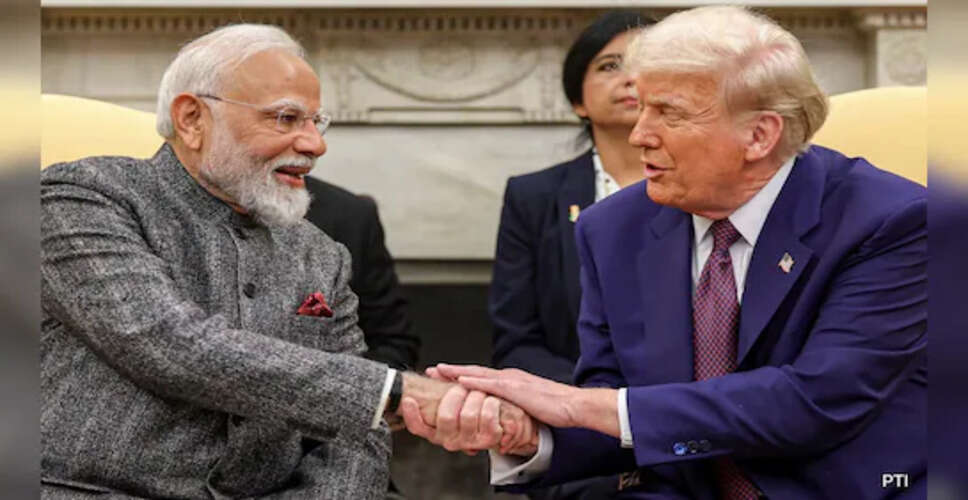
Key Discussion Between Modi and Trump
New Delhi: On Tuesday, Prime Minister Narendra Modi engaged in a phone conversation with US President Donald Trump, focusing on the current situation in West Asia and the critical need to maintain open access to the Strait of Hormuz.
US Ambassador to India, Sergio Gor, shared on X that the two leaders discussed the Middle East's ongoing issues, particularly emphasizing the Strait of Hormuz's significance.
This dialogue occurs against the backdrop of escalating tensions in West Asia, which intensified following the US and Israel's strikes on Iran on February 28, leading to the death of Iran's Supreme Leader, Ayatollah Ali Khamenei. In retaliation, Iran has conducted drone and missile strikes against US and Israeli installations, as well as regional allies.
These developments have heightened pressure on global markets, with energy prices reacting sensitively to the situation.
Over the years, President Trump and PM Modi have cultivated a prominent political alliance, marked by significant public events and diplomatic interactions.
Both leaders have consistently praised one another, highlighting their collaboration in trade, defense, and strategic partnerships between India and the United States.
In November, Trump expressed his intention to visit India this year, coinciding with the upcoming Quad Summit.
The Quad, comprising India, the US, Japan, and Australia, serves as a vital platform for strategic cooperation in the Indo-Pacific region.
On Monday, External Affairs Minister S. Jaishankar and US Secretary of State Marco Rubio also held a phone conversation regarding the West Asia crisis, assessing its implications for the global economy and energy supplies. They reaffirmed their commitment to ongoing collaboration.
Jaishankar tweeted about their detailed discussion, which centered on the West Asia conflict and its repercussions on international economic stability, particularly energy security. Both officials agreed to maintain communication.
According to a statement from the US State Department, Secretary Rubio and EAM Jaishankar acknowledged the necessity of working together to further mutual interests.
Principal Deputy Spokesperson Tommy Pigott confirmed that the two officials discussed the Middle East's current circumstances and the importance of their continued cooperation.