
West Bengal Government Expands Cabinet with 35 New Ministers
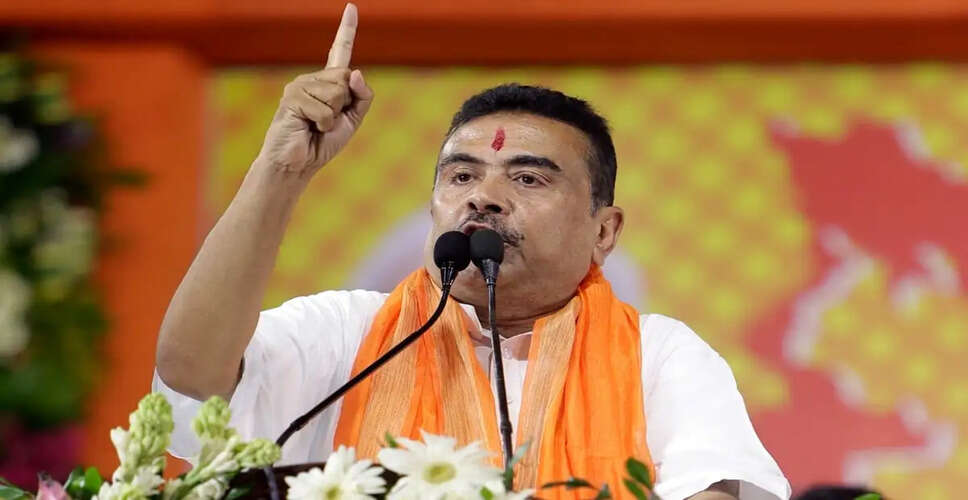

Significant Administrative Move Following Historic Victory
In the wake of a historic electoral win, the West Bengal government is set to make a substantial administrative change. On Monday, Chief Minister Suvendu Adhikari will oversee the first major cabinet expansion of his government. Currently, the cabinet consists of five ministers alongside the Chief Minister, but this number will increase by 35 new ministers during the upcoming ceremony.
Announcement via Social Media
Chief Minister Suvendu Adhikari took to the social media platform 'X' to formally announce the cabinet expansion. In his post, he stated, "Tomorrow, a full cabinet formed by the mandate of the people of Bengal will be established. To facilitate this expansion, 35 ministers from the West Bengal government will take their oaths at Nabanna at 11 AM. The Honorable Governor R. N. Ravi will administer the oaths."
Total Minister Count to Reach 40
According to constitutional regulations, the maximum number of ministers in West Bengal, including the Chief Minister, can be 44. Suvendu Adhikari confirmed that 35 new ministers will be sworn in. With the existing five ministers—Dilip Ghosh, Agnimitra Paul, Ashok Kirtania, Khudiram Tudu, and Nisith Pramanik—the total will rise to 40 after the new appointments. Previously, Governor R. N. Ravi administered the oath of office to Suvendu Adhikari as Chief Minister during a grand ceremony at the Brigade Parade Ground in Kolkata.
First Major Administrative Step by BJP Government
It is noteworthy that Suvendu Adhikari took the oath of office as Chief Minister on May 9. In this election, the BJP secured a clear majority in the 294-member assembly, marking the end of the Trinamool Congress's 15-year rule, which is seen as a significant shift in the state's political landscape. Through this cabinet expansion, the BJP government aims to strengthen and broaden its administrative team. Political analysts believe that by including new faces, the government seeks to provide better representation across various sectors and social classes.