
West Bengal Elections: A Reflection of Societal Pain and Demand for Justice

Understanding the Deeper Implications of the West Bengal Election Results
Atul Thakur
The recent electoral outcomes in West Bengal transcend mere political victories or defeats. For many, these results signify a profound social reaction fueled by pain, fear, anger, and an escalating demand for justice. While the Bharatiya Janata Party (BJP) claimed victory, a significant portion of the populace interpreted this not just as a political shift but as a manifestation of the voices of ordinary citizens who have endured years of insecurity, violence, and alleged political coercion. This election was influenced not only by campaign strategies and speeches but also by the emotional turmoil that had been simmering in society following a series of alarming incidents that rattled the conscience of Bengal.
The RG Kar Medical College rape and murder case emerged as a pivotal emotional moment for the state. The heinous crime against a young female doctor was perceived not merely as a criminal act; it became emblematic of the escalating fear and insecurity experienced by women throughout society. She embodied the aspirations of numerous families who send their daughters to pursue education and careers with hope and trust.
The public outrage that ensued highlighted a deeper frustration among citizens who felt that women were increasingly unsafe even in educational and professional environments. Students, medical professionals, women's organizations, and everyday citizens took to the streets demanding accountability and justice. The anger was directed not only at the crime itself but also at a system perceived as indifferent to the suffering of victims.
Similarly, the events reported from Sandeshkhali left a significant mark on the social consciousness of Bengal. Allegations of exploitation, intimidation, and abuse sparked widespread outrage and fear. The bravery exhibited by women who spoke out despite facing pressure and intimidation became a symbol of a broader struggle faced by many ordinary citizens. While the legal outcomes of these allegations remain to be seen, the social impact on public sentiment was undeniable.
In addition to these incidents, discussions surrounding political violence, local strongman culture, and fear during elections continued to dominate conversations across various regions of the state. For many, democracy began to feel incomplete when fear infiltrated neighborhoods, villages, and polling stations.
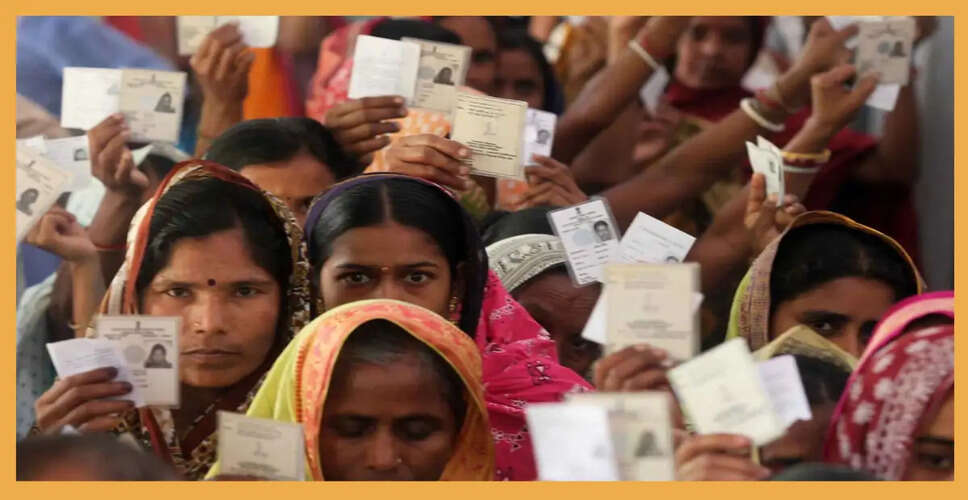
In this context, the public verdict seemed to reflect more than a simple political transition. Many voters appeared to prioritize dignity, safety, and accountability over traditional political affiliations. The BJP's victory was perceived by many as a manifestation of the people's desire for change and a repudiation of fear-driven politics. For numerous citizens, their votes conveyed a message that issues such as women's safety, justice, and respect for ordinary individuals could no longer be overlooked. A mother concerned for her daughter's safety, a student frustrated by institutional silence, and families disturbed by recurring violence all contributed to the emotional wave that influenced the election.
However, this mandate should not be misconstrued as a celebration of hatred or revenge politics. The true essence of democracy lies in justice, accountability, and the safeguarding of citizens, irrespective of political beliefs. Bengal has long been recognized for its intellectual culture, social consciousness, and progressive mindset. Consequently, incidents involving violence against women and allegations of abuse evoke particularly strong emotional responses within society. The people of Bengal are not merely demanding development and infrastructure; they are calling for dignity, safety, and a government that acknowledges the pain of ordinary citizens.
Ultimately, the recent election in Bengal may be remembered not just as a political event but as a social message from individuals who felt unheard for far too long. The RG Kar case, Sandeshkhali, and other incidents transcended headlines to become symbols of public anguish and frustration. Through their votes, many citizens sought to convey a clear message: no government can remain detached from the suffering of its people. This election, for many, was not solely about power; it was about reclaiming trust, justice, and the fundamental right to live without fear.