
West Bengal Elections: A Clash of Identity and Development
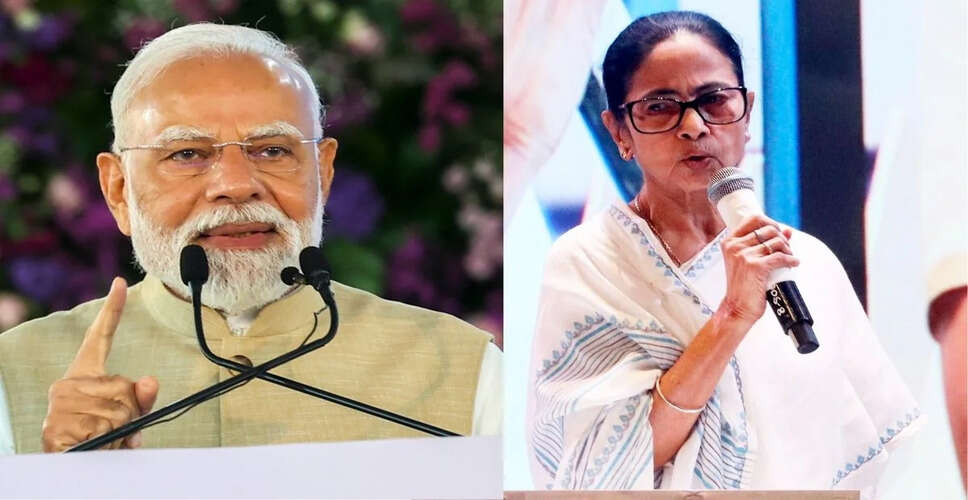

Political Dynamics in West Bengal
The political landscape in West Bengal is currently at a pivotal juncture, where the electoral contest is not merely between parties but also revolves around significant issues. On one side, there are concerns regarding regional identity and cultural pride, while on the other, discussions about development, employment, and basic amenities are intensifying. Understanding which issues resonate more with the electorate has become crucial.
The incumbent leader of the state, Mamata Banerjee, has long centered her political narrative around Bengal's cultural identity and regional pride. Her strategy has been to foster a sentiment of 'Bengal versus outsiders,' which has garnered support from a substantial segment of the population. Her supporters argue that this is not just a political stance but a matter of preserving the state's language, culture, and traditions.
Conversely, the Bharatiya Janata Party (BJP) is entering the electoral fray by prioritizing development, industry, investment, and employment. The party contends that West Bengal requires rapid economic advancement, necessitating a focus on infrastructure, industries, and new policies. The BJP also asserts that holistic development cannot be achieved through identity politics alone.
On the ground, voters exhibit mixed reactions to both sets of issues. In rural areas, local identity and social schemes have a more pronounced impact, while urban regions are increasingly prioritizing employment, education, and infrastructure. The youth, in particular, are emphasizing job opportunities and economic stability.
Political analysts suggest that no single issue will dominate this election; rather, a balance between identity and development will likely determine the outcome. If the sentiment of identity emotionally connects with voters, the development agenda will shape their aspirations for the future.
Overall, this election in Bengal has evolved into a battle of ideologies—one that questions the preservation of identity and tradition against the demand for development and opportunities. It will be intriguing to see which aspect the electorate prioritizes and how they cast their votes.