
West Bengal Elections 2026: Congress Faces Strengths and Challenges
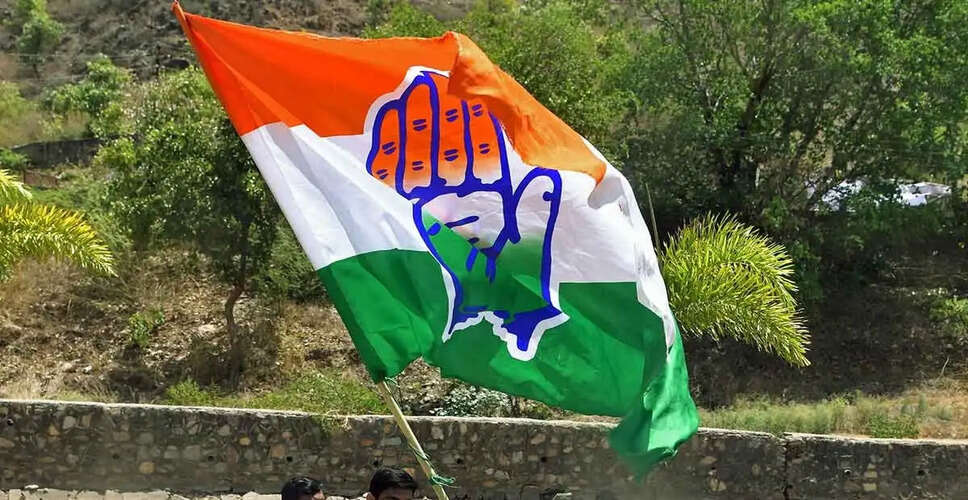

Overview of the Upcoming Elections
The West Bengal Assembly elections will take place across 294 seats in two phases, with the second phase scheduled for April 29, 2026. The results are expected to be announced on May 4, 2026. To form a government, any political party must secure a majority by winning at least 148 seats. This election is drawing national attention, as its outcomes will not only impact West Bengal but also influence the broader political landscape of the country.
Political Landscape in West Bengal
This time, the elections in West Bengal are not expected to be one-sided. All political parties are gearing up aggressively, but the situation has evolved significantly since the 2021 Assembly elections. Over the past five years, the political dynamics in the state have transformed dramatically. Here, we will explore the strengths and challenges faced by the Congress party in this context.
Strengths and Challenges of the Congress Party
The Congress party has decided to contest the 2026 Assembly elections independently, breaking its alliance with leftist parties. This decision aims to re-establish its relevance in West Bengal. The party has high hopes from traditional strongholds like Malda, Murshidabad, and Nadia, where it believes it can reactivate its old voter base.
Historically, Congress ruled West Bengal for nearly four decades. However, as its support dwindled, the party was marginalized by the electorate. The public's discontent during the Emergency led to a significant rejection of Congress in the 1977 elections, marking the first time a non-Congress government was formed in the state.
On the flip side, the Congress party faces significant challenges, including a lack of resources and a weak network in several districts, which could hinder its efforts. The party is actively seeking to regain its lost ground in West Bengal, but only time and the voters will reveal their true inclinations.