
West Bengal Assembly Elections 2026: A Battle for Identity and Power

Significance of the 2026 Elections
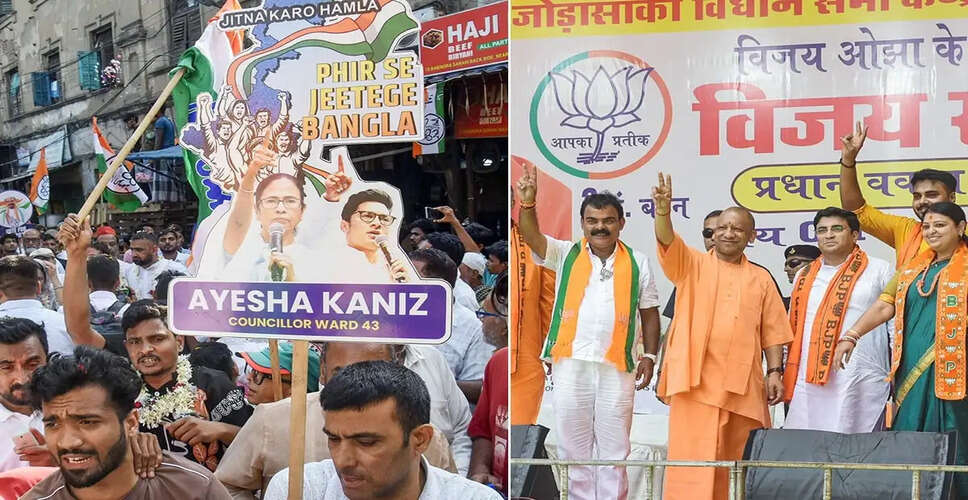
The upcoming West Bengal Assembly elections in 2026 are poised to be more than just a contest for power; they may significantly influence the political and social trajectory of the state. Voting is scheduled to occur in two phases on April 23 and April 29, with the results expected to be revealed on May 4, 2026. To secure a majority in the 294 assembly seats, a party must surpass the threshold of 148 seats. The direct competition between the Bharatiya Janata Party (BJP) and the Trinamool Congress (TMC) adds an intriguing layer to this electoral battle, with identity issues being strategically highlighted.
The Identity Issue
In the speeches of major political figures in West Bengal, the theme of state identity is frequently addressed. BJP leaders are raising concerns about geographical changes threatening Bengal's identity, while the TMC accuses the BJP of attacking Bengali identity. Here, identity refers to the Bengali essence, which the TMC, led by Mamata Banerjee, has closely associated with its political narrative. For the BJP, this election represents an opportunity to expand its ideological presence, often linked to the defense of Hindu identity.
BJP's Strengths and Weaknesses
The BJP's primary strength lies in its robust narrative of 'Hindutva' and the prominent image of Prime Minister Modi. Issues like the Citizenship Amendment Act (CAA) and citizenship rights have created a favorable atmosphere for the party. However, a significant weakness is the lack of a strong local face compared to Mamata Banerjee. Additionally, the BJP has yet to effectively counter the TMC's narrative surrounding Bengal's identity and culinary culture. Currently, the BJP's organizational strength remains inferior to that of the TMC.
A Fight for Credibility
Overall, the 2026 Bengal elections are not merely about winning or losing; they represent a battle for credibility. Mamata Banerjee relies on her support from female voters and government initiatives, while the BJP aims to overturn the state's governance by focusing on corruption and Hindutva issues. It will be fascinating to see whether the BJP can establish a foothold in Bengal's villages despite its lack of a strong local leader, or if Mamata's management will once again prevail. Currently, the state's voters remain calm, biding their time for the right moment.