
West Bengal Assembly Approves Major Amendments to OBC Reservation Policy
The West Bengal Assembly has enacted major amendments to its OBC reservation policy, allowing 66 communities outside the Scheduled Caste and Scheduled Tribe categories to benefit from reservations. This includes significant changes to the representation of Muslim and Hindu communities. The new legislation aims to enhance the transparency and legality of the reservation system, reversing previous government decisions. The West Bengal Backward Classes Commission has been granted renewed authority to oversee these changes, ensuring a more structured approach to community representation. This article delves into the implications of these amendments and the political context surrounding them.
| Jun 30, 2026, 17:24 IST
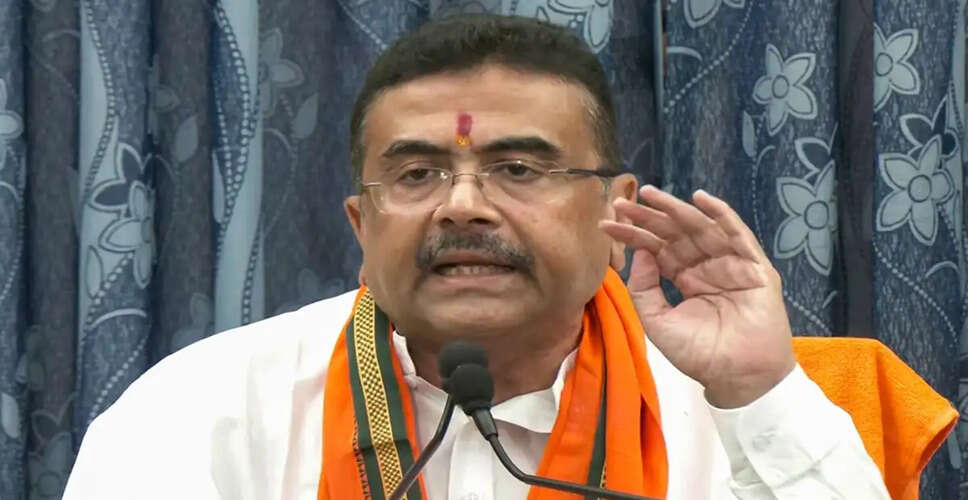

Significant Changes in OBC Reservation in West Bengal
The West Bengal Assembly made a significant shift in the state's reservation policy on Monday by passing two crucial amendment bills related to the Other Backward Classes (OBC) reservation system. These amendments allow 66 communities, which fall outside the Scheduled Caste and Scheduled Tribe categories, to benefit from OBC reservations. This includes 54 Hindu and 12 Muslim communities. The state government asserts that this move aims to legally strengthen and enhance the transparency of the reservation system.
The two bills passed in the assembly restore greater authority to the West Bengal Backward Classes Commission. Additionally, provisions that legally recognized the list of OBC communities prepared during the Trinamool Congress government have been abolished. The West Bengal Backward Classes Welfare Minister, Gaurishankar Ghosh, introduced the West Bengal Backward Classes Amendment Bill 2026 and the West Bengal Backward Classes Commission Amendment Bill 2026 in the house. After discussions and voting, both bills were approved.
These amendments aim to reverse changes made by the Trinamool Congress government in 2012. The Bharatiya Janata Party has consistently accused the previous government of disproportionately benefiting Muslim communities through OBC reservations while neglecting many socially and educationally backward Hindu communities. The new system significantly reduces the number of Muslim communities included. Previously, the Trinamool government recognized 65 Muslim sub-groups, but now only 12 Muslim communities are listed. Changes have also been made to the number of Hindu sub-groups.
Initially, the Trinamool government expanded the OBC list to 113 sub-groups, comprising 77 Muslim and 36 Hindu communities. This was later increased to 140 sub-groups, with 77 Muslim and 63 Hindu communities. This arrangement faced legal challenges in the Calcutta High Court, which annulled the list in 2025, stating that the process for including communities in the OBC list was not legally sustainable. The court also noted that the state government did not follow proper procedures set by the commission. Subsequently, the Supreme Court lifted some stays, but the new government has reverted to the previous structure of 66 communities.
It is noteworthy that in May 2024, the Calcutta High Court annulled all OBC certificates issued after 2010, citing serious legal flaws in the process of including communities in the list. Following this, the BJP government, which came to power in May this year, issued a notification reducing OBC reservations from 17% to 7%, limiting it to the 66 OBC categories.
According to the new amendments, the state government will determine the percentage of OBC reservations in consultation with the West Bengal Backward Classes Commission and can make adjustments over time. However, the total reservation limit will not exceed 50%. The government is also empowered to categorize communities based on the degree of backwardness according to the commission's recommendations.
Under the amended law, any individual can now file objections against the inclusion of a community in the OBC list or against disproportionate representation of any community. In such cases, the commission's recommendations will be binding on the state government. Minister Gaurishankar Ghosh stated that the commission will now investigate the actual status of communities and will recommend the inclusion of any community if deemed necessary. He accused the previous government of arbitrarily including communities in the list, leading to the court's rejection of the entire process.
Additionally, the term of commission members will remain three years as before, but the term of the member secretary will be determined by the state government. The member secretary will be a serving government official.
It is important to remember that the OBC reservation system in West Bengal was initiated during the Left Front government based on the recommendations of the Ranganath Mishra Commission. Reservations were categorized into Category A and Category B, with 10% and 7% reservations, respectively. In 2010, then-Minister Jogesh Chandra Barman introduced a bill related to this. Later, the Trinamool Congress government amended this law in 2012, increasing the number of communities under Categories A and B, including those who converted to Christianity from Scheduled Castes in Category B. Now, the government led by Suvendu Adhikari has restructured the entire system, making the commission-based process mandatory.