
Wealth Dominates Assam's 2026 Assembly Elections Landscape
Financial Overview of Candidates
Guwahati, March 31: The upcoming 2026 Assembly elections in Assam are heavily influenced by wealth, with nearly 40% of candidates reporting assets exceeding Rs 1 crore, as per a study conducted by the Association for Democratic Reforms (ADR).
The analysis, based on the self-declared affidavits of all 722 candidates, indicates that 285 individuals, or 39%, belong to the crorepati category. This figure represents a significant increase from the 2021 elections, where only 28% of candidates reported assets above Rs 1 crore, highlighting the escalating impact of financial resources in the state's political arena.
The financial profiles of the candidates reveal a notable increase in wealth, with the average assets per candidate rising to Rs 3.25 crore in 2026, compared to Rs 2.10 crore in 2021.
In total, the candidates have collectively declared assets amounting to Rs 2,352 crore.
A detailed examination of wealth distribution shows a diverse financial landscape among the candidates. Approximately 13% have assets surpassing Rs 5 crore, while 15% fall within the Rs 2 crore to Rs 5 crore range.
Additionally, 24% of candidates possess assets between Rs 50 lakh and Rs 2 crore, and 23% have assets ranging from Rs 10 lakh to Rs 50 lakh.
At the lower end, 25% of candidates reported assets below Rs 10 lakh, revealing significant disparities within the electoral competition.
Party-wise Wealth Distribution
The influence of wealth is particularly pronounced among major political parties. Among BJP candidates, 79 out of 90, or 88%, are classified as crorepatis.
The Congress party follows closely, with 60 out of 99 candidates, or 61%, declaring assets above Rs 1 crore. Meanwhile, 16 out of 30 candidates from the AIUDF, or 53%, have also reported similar asset levels.
Top Wealthiest Candidates
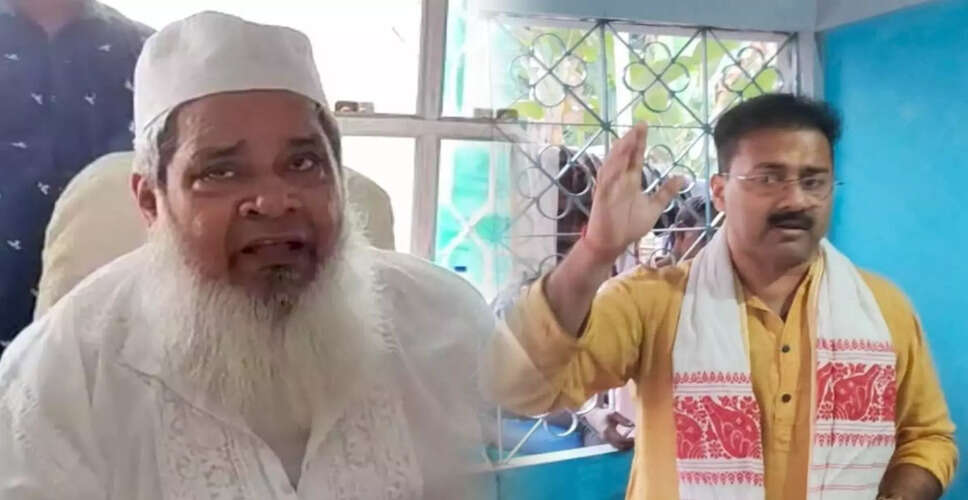
The top three wealthiest candidates
The ADR report highlights three candidates with notably high declared assets. Leading the list is Congress candidate Rahul Roy from Hailakandi, boasting assets exceeding Rs 261 crore.
He is followed by AIUDF chief Maulana Badruddin Ajmal, contesting from Binnakandi, with declared assets over Rs 226 crore. In third place is Congress candidate Jayanta Khaund from Rongonadi, with assets exceeding Rs 67 crore.
The data also reveals stark contrasts at the lower end of the wealth spectrum, with two candidates declaring zero assets and several others reporting minimal assets, illustrating the vast economic divide among those contesting.
Conclusion
The ADR analysis emphasizes a continuing trend in Assam's electoral politics, where financial strength plays a crucial role in candidate selection across various parties.
With a considerable number of candidates possessing significant wealth, these findings raise ongoing concerns regarding the increasing intertwining of financial power and democratic representation.