
Venezuela Earthquake Relief Efforts Hampered by Government Restrictions

Challenges in Earthquake Relief Operations
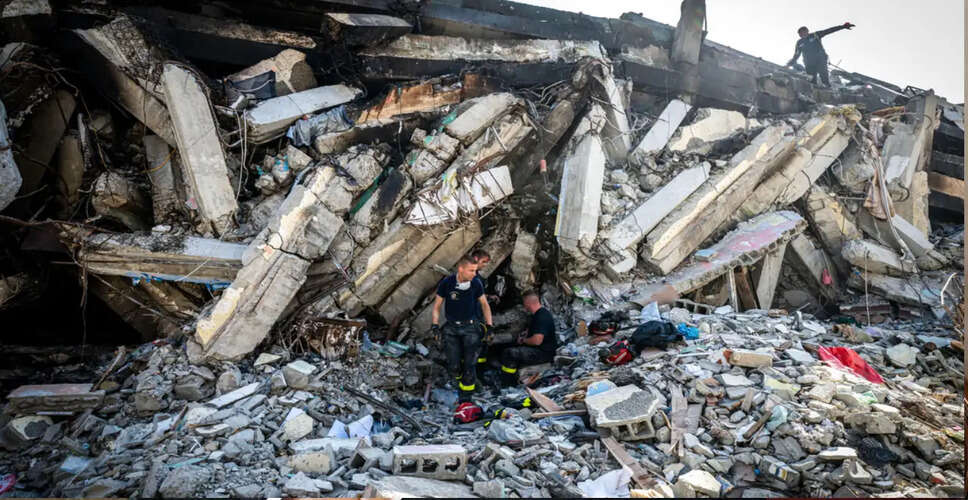
Rescue teams and volunteers have raised concerns regarding the Venezuelan government's interference in earthquake relief operations, citing access limitations and bureaucratic obstacles as the death toll continues to rise. This criticism emerges as new aftershocks strike the nation, prompting international rescuers to hasten their efforts to find survivors trapped under the rubble of collapsed structures. The humanitarian response to the catastrophic twin earthquakes has faced scrutiny, with rescuers and international officials alleging that government authorities are obstructing search-and-rescue missions in the most affected regions.
The disaster commenced with a magnitude 7.2 earthquake, followed closely by a 7.5 tremor just 39 seconds later. These twin quakes have resulted in over 1,700 fatalities, approximately 1,500 injuries, and left tens of thousands unaccounted for. Hundreds of buildings sustained damage, with 189 completely collapsing. Five days post-earthquake, a magnitude 4.6 aftershock hit the country again on Monday as rescue teams continued their search for survivors.
Government Restrictions on Rescue Efforts
Criticism intensified following an announcement by Diosdado Cabello, the Minister of Interior, Justice, and Peace, regarding access restrictions to La Guaira state, the area most severely impacted by the earthquakes. Since Friday night, individuals wishing to enter the disaster zone for assistance have been mandated to register in Caracas and obtain official clearance.
Cabello stated that these measures were designed to facilitate the movement of ambulances, heavy machinery, and specialized rescue teams, asserting that unauthorized individuals would be barred from entering the area. However, volunteers and rescue personnel contended that these new regulations delayed the arrival of essential personnel and humanitarian supplies during critical hours when survivors were most likely to be located.
Footage circulating on social media depicted a tense interaction between Cabello and members of a US rescue team during an operation in La Guaira. In the video, a rescuer implored Cabello to vacate the work area, indicating that someone nearby was still calling for help from beneath the debris. Before departing, the rescuer expressed dissatisfaction with the situation.
WATCH: Venezuela’s Interior Minister Diosdado Cabello argues with American rescue teams in La Guaira as they head to aid quake victims pic.twitter.com/YxYHMywwhN
— Rapid Report (@RapidReport2025) June 29, 2026
International Teams Face Delays
Chilean rescuer Francisco Fermanda noted that while the international community responded promptly to Venezuela's request for help, he criticized the government's apparent disorganization. He mentioned that his rescue team encountered movement restrictions, while teams from Spain and France reportedly could not enter the country due to visa issues. The Spanish rescue team USAR13 announced its return home after waiting two days in Bogotá without receiving permission to proceed to Venezuela, expressing disappointment at their inability to assist those in need.
US Representative Maria Elvira Salazar accused Venezuelan authorities of obstructing international rescue teams and humanitarian aid, while Florida Congressman Mario Diaz-Balart cautioned against interference with relief efforts after sharing the video involving Cabello. Local residents have also voiced their frustration with security forces, alleging that they prioritize street control over aiding rescue operations. Videos shared online reportedly show citizens urging armed personnel to assist in clearing debris, while other clips allegedly depict officers confiscating household items, food, and cash from damaged properties.
Journalists have reported delays in accessing La Guaira. International media crews were informed they would receive special visas and government transportation to the disaster zone, but their trip was postponed for an additional 48 hours due to ongoing aftershocks and safety concerns.