
Vallabh Government College in Mandi Joins Unnat Bharat Abhiyan for Rural Development
Five Villages Embrace Organic Farming and Digital Literacy
Munish Sood
MANDI: Vallabh Government College in Mandi has been chosen to participate in the Unnat Bharat Abhiyan (UBA), a key initiative by the Government of India aimed at enhancing rural development through community engagement.
This program seeks to promote sustainable growth in rural areas by involving higher education institutions, marking a significant commitment from the college towards social responsibility alongside its academic pursuits.
As part of this initiative, the college will collaborate with five villages in the Mandi district of Himachal Pradesh: Nasloh, Larwahan, Sadayana, Baggi, and Thanaut, focusing on improving living standards through education, innovation, and community participation.
Multidisciplinary Faculty Team to Drive Engagement
A dedicated team of faculty members has been formed to lead this initiative, including:
• Dr. Tara Devi Sen – Principal Investigator and Head of the Botany Department
• Dr. Deepali Ashok and Dr. Suraj Mani – NSS Programme Officers
• Prof. Anita – Mathematics Department
• Dr. Arvind Kumar – Tourism Department
• Mr. Manoj Kumar – Assistant Professor in Environmental Science
Alongside student volunteers, this team will focus on five key themes tailored to the unique developmental needs of the selected villages.
Core Focus Areas of the UBA Project
1. Organic Farming & Rural Entrepreneurship
Encouraging sustainable agricultural practices and small business initiatives to enhance local economies.
2. Health, Nutrition & Sanitation
Raising awareness about hygiene, nutrition, and preventive healthcare to improve community health.
3. Education & Digital Literacy
Facilitating educational outreach, particularly for women and children, while promoting essential digital skills like mobile and computer usage.
4. Sustainable Living & Traditional Knowledge
Revitalizing local practices and advocating for the sustainable use of natural resources to protect the environment.
5. Livelihood Generation Using Local Resources
Identifying local crafts, plants, and skills to foster self-sufficient income opportunities.
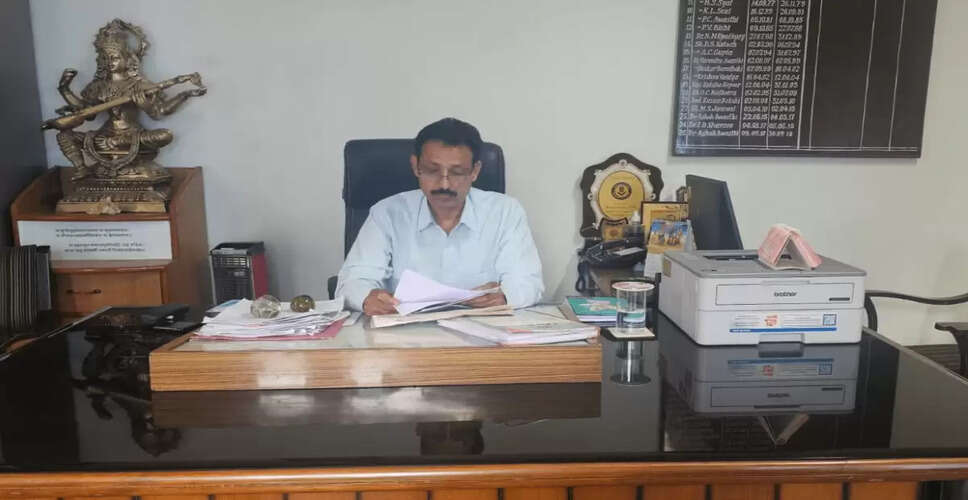
During the announcement, Principal Sanjeev Kumar expressed pride in the college's selection and noted how this initiative aligns with the National Education Policy (NEP).
“This program aligns with NEP objectives and represents a significant step in fulfilling the social responsibilities of educational institutions. It will provide students with valuable exposure to rural life and contribute to their overall development,” he stated.
The guiding principle of the project is “Vocal for Local,” focusing on enhancing traditional knowledge and promoting self-reliance through the use of local resources.
A Step Towards Comprehensive Nation-Building
The college's involvement in the Unnat Bharat Abhiyan underscores the vital role educational institutions play in nation-building. By engaging students in practical rural transformation, this initiative aims to connect academic knowledge with grassroots efforts.
With preparations underway, the college team and student volunteers are ready to begin fieldwork soon, marking the start of an exciting journey towards inclusive and sustainable rural development.