
Uttar Pradesh Police to Display Posters of Accused in Sambhal Violence Case
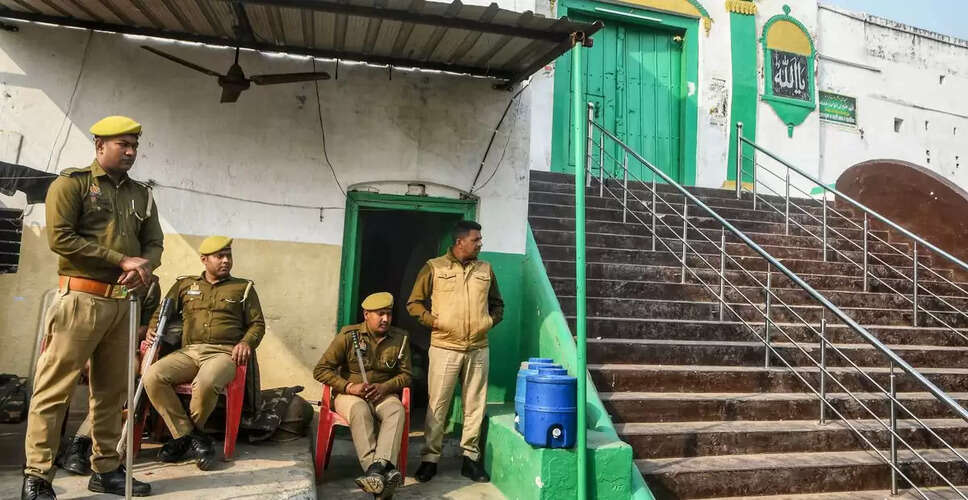
Posters of Accused Individuals to be Displayed
Authorities in Uttar Pradesh are set to showcase posters of individuals wanted in connection with the Sambhal violence incident across various districts, as reported by local news sources.
Sambhal's Superintendent of Police, Krishan Kumar, stated on Friday that the properties belonging to the accused will also be seized. He mentioned that police operations are underway at multiple locations to apprehend the suspects.
In February, the police had previously displayed posters featuring images of 74 individuals believed to be involved in the violence that occurred in November.
These images were placed in various locations throughout Sambhal to assist residents in identifying the accused and aiding law enforcement in their capture.
The unrest erupted on November 24 when a group of Muslims protested against a court-ordered survey of the Shahi Jama Masjid located in Chandausi town.
A trial court had mandated the survey based on a lawsuit asserting that the mosque was constructed in 1526 by Mughal emperor Babar on the site of the ancient Shri Hari Har Temple, which is dedicated to Lord Kalki.
During the violence related to the survey, five individuals lost their lives.
In December, the district administration announced plans to post images of those allegedly involved in the violence on public walls. Furthermore, the Uttar Pradesh government declared that those responsible for the violence would be held accountable for damages to public property and have their images displayed publicly.
The police have filed eight first information reports against 150 identified individuals and approximately 2,500 others who remain unidentified, all suspected of participating in the violence. Several arrests have been made for allegedly attacking police officers during the unrest.
In 2020, the Uttar Pradesh government had also displayed posters of individuals accused of vandalism during protests against the controversial Citizenship Amendment Act, but these were later removed following a directive from the Allahabad High Court.