
US Weighs Military Action Against Al-Qaeda-Linked Group in Mali
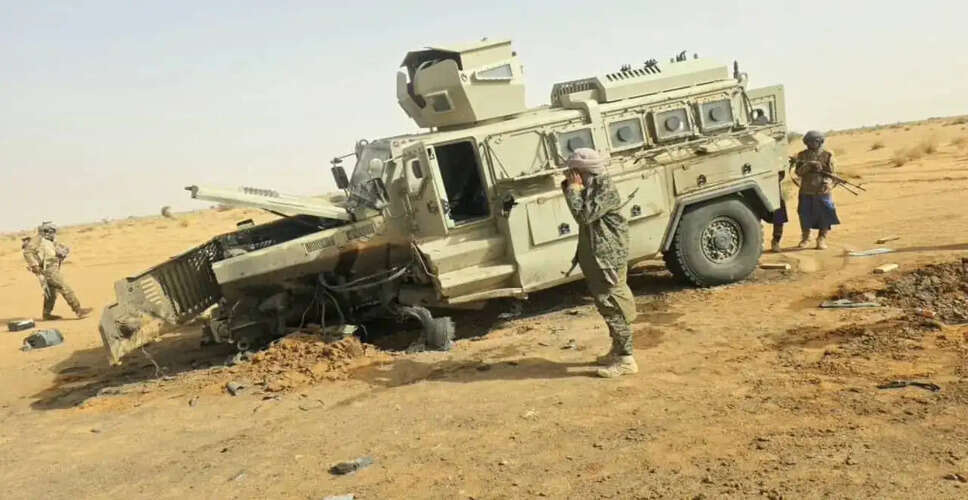

Potential Military Operations in Mali
The Trump administration is reportedly contemplating military intervention against Jama'at Nusrat al-Islam wal-Muslimin (JNIM), a militant group affiliated with al-Qaeda, in Mali. If this action is sanctioned, it would mark the eighth nation where President Trump has authorized military strikes since his return to office, following operations in Yemen, Somalia, Syria, Iran, Iraq, Nigeria, and Venezuela. JNIM has established a significant presence in Mali and has extended its attacks into coastal West African nations, being described as the most heavily armed militant group in the region and one of the most formidable jihadist organizations globally.
According to various current and former US officials, there is internal disagreement regarding the proposed military action. Sebastian Gorka from the White House National Security Council has emerged as a prominent supporter of targeting JNIM. A White House representative indicated that the US has been urging North and West African governments to acquire US military equipment and services to bolster their efforts against terrorism.
Describing the terrorism issue in the Sahel as a "multinational challenge," the official emphasized the need for regional partners and NATO allies to support the Alliance of Sahel States in their fight against JNIM and ISIS. This alliance includes Mali, Burkina Faso, and Niger, where military governments have taken control through coups, reduced ties with Western nations, and enhanced security collaboration with Russia. The White House official criticized Moscow's effectiveness as a security partner for Mali, expressing hope that other African nations would recognize Russia's poor performance in countering terrorism.
This consideration of military options in Mali has not been previously disclosed. Mali, a landlocked nation with nearly 25 million inhabitants, has endured years of violence involving Islamist militants, government forces, and Russian mercenaries hired by the ruling military junta. JNIM has consistently increased its influence, contributing to the Sahel's emergence as a global terrorism hotspot. Last year, the group enforced a fuel blockade that severely impacted Mali, and this year, it has executed coordinated attacks throughout the country, including operations in the capital, Bamako, the seizure of a key northern town from Malian and Russian forces, and a suicide bombing that resulted in the death of the country's defense minister.
Meanwhile, IS Sahel, an affiliate of the Islamic State and a rival to JNIM, has bolstered its presence near Mali's border with Niger. US missionary Kevin Rideout, who was abducted last year, is believed to be held captive in Mali. To address the insurgency, Mali's military government has relied on Russian mercenaries, initially from the Wagner Group and more recently from Africa Corps, which has closer ties to Russia's defense ministry. Rights organizations and previous reports have accused Russian forces of widespread abuses during their operations in Mali. Héni Nsaibia, a senior analyst at the Armed Conflict Location & Event Data (ACLED) project, stated that Mali's armed forces and their Russian allies were responsible for more civilian casualties than JNIM and IS Sahel combined. ACLED reported that Malian forces and Russian fighters accounted for 925 civilian deaths last year, compared to 232 attributed to Islamist militant groups.
Nsaibia remarked, "It is extremely problematic that a government like the US or any Western partner would provide support to these regimes whose legitimacy remains contested, and which are incredibly fragile and repressive." Current and former US officials noted that Washington expanded intelligence-sharing with Mali's military government last year as part of an initiative to mend relations. This intelligence was utilized in strikes by Malian forces after the Biden administration had distanced itself from the junta due to its reluctance to commit to a timetable for democratic elections and its collaboration with Russian forces. However, officials indicated that this cooperation remains limited and does not match the US security partnership with Nigeria, which has included American airstrikes and a ground operation that eliminated a senior Islamic State leader in Africa. Analysts caution that any direct US military involvement in Mali could heighten the risk of confrontation with Russian forces operating in the region, potentially necessitating military deconfliction arrangements similar to those previously established by Washington and Moscow during the Syrian conflict.