
US Warns Iran of Potential Israeli Assassination Threats Amid Nuclear Talks
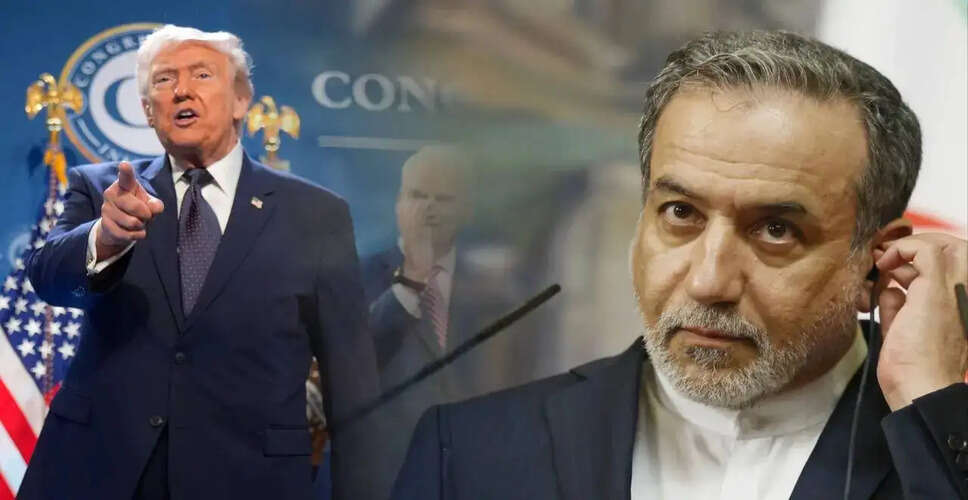

US Intelligence Alerts Iran on Assassination Risks
In April, the United States reportedly cautioned Iran that Israel might attempt to assassinate two prominent Iranian officials during critical nuclear discussions, as detailed in a report by a major news outlet. This revelation highlights the escalating tensions between Washington and Tel Aviv, which became evident months before their recent public disagreements. According to various US officials, Washington informed Tehran that Iranian Foreign Minister Abbas Araghchi and Parliament Speaker Mohammad Bagher Ghalibaf were potential targets for Israel following the ceasefire on April 8. At that time, both officials were integral to Iran's diplomatic negotiations with the US regarding its nuclear program.
Concerns Over Assassination Plans
The report indicates that some US officials believed Israel considered these Iranian leaders as legitimate targets in its broader strategy against senior Iranian figures. The warnings coincided with a series of high-profile Israeli operations within Iran, including the assassination of the late Supreme Leader Ali Khamenei. US officials expressed concerns that such killings could disrupt diplomatic efforts and heighten regional tensions.
Flight Diversion Due to Threats
The intelligence report suggested that Israel was preparing to target Ghalibaf's aircraft as he returned to Iran from Islamabad on April 12, following discussions related to indirect nuclear diplomacy with US Vice President JD Vance. US officials alerted Tehran that two Israeli fighter jets had entered Iranian airspace via Iraq and could intercept Ghalibaf's plane. Consequently, Iranian authorities communicated this warning to Ghalibaf, leading to an emergency diversion of his flight to Mashhad instead of its original destination in Tehran.
Emerging Differences in US-Israel Relations
This warning indicates that Washington and Israel may have started to diverge in their approaches to Iran months before reports surfaced about the strained relationship between US President Donald Trump and Israeli Prime Minister Benjamin Netanyahu. Despite Israel's public opposition to the diplomatic process, the US has continued to pursue negotiations and a memorandum of understanding (MoU) with Iran.
Strained Relations Between Trump and Netanyahu
In recent weeks, tensions between Trump and Netanyahu have become more pronounced, particularly concerning regional conflicts and Iran's policies. The two leaders have reportedly disagreed on Israel's military actions in southern Lebanon, with Trump advocating for restraint while Israel persisted in its operations. Leaked conversations have suggested that Trump privately expressed frustration with Netanyahu, highlighting the growing rift between these two allies regarding Middle Eastern policy. Neither the US, Israel, nor Iran has publicly acknowledged the alleged assassination warnings mentioned in the news report.