
US Vice President JD Vance Discusses Conditional Nature of Iran Deal
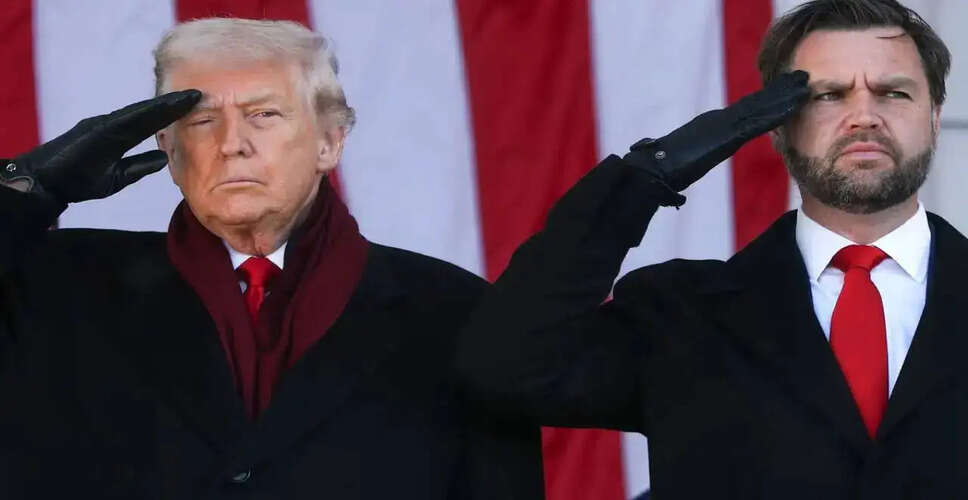

Vance's Remarks on the Iran Agreement
In a recent interview, US Vice President JD Vance acknowledged that the agreement with Iran could potentially be reversed if public sentiment turns overwhelmingly negative. This revelation raises questions about the stability of the deal, as reported by a major news outlet.
Insights from Vance
During a conversation with conservative host Megyn Kelly, Vance was pressed on the memorandum of understanding that has faced backlash from pro-Israel conservatives and Republican hawks. Kelly pointed out that while the agreement has been signed, it is not legally binding and could be undone if public outcry escalates. Vance concurred with her assessment.
.@JDVance: "I just don't think that the people criticizing [the deal] are actually dealing with the reality of what's in it and don't have an alternative. If your alternative is just to drop bombs without any clear goal or clear American interest, you're not making wise decisions… pic.twitter.com/LP75W1ZlBf
— The Megyn Kelly Show (@MegynKellyShow) June 16, 2026
Vance summarized the deal succinctly, stating that if Iran alters its behavior regarding nuclear weapons and terrorism financing, they would be integrated into the global economy; otherwise, they would not.
Trump's Comments at G7 Summit
Vance's perspective aligns with President Trump's remarks at the G7 summit, where he clarified that the deal is not finalized. Trump emphasized that if the agreement does not meet his expectations, military action could resume.
White House Responds to Draft Controversy
Compounding the uncertainty, the White House has denied the authenticity of leaked drafts of the memorandum that surfaced in the media. White House communications director Steven Cheung refuted claims made by various news outlets regarding the content of the MOU, suggesting that the circulated text does not accurately represent the agreement. The actual terms of the deal have yet to be disclosed, with Trump indicating that they may be revealed following the signing ceremony in Geneva.