
US Treasury Secretary Expresses Frustration Over Trade Talks with India
Concerns Over Trade Negotiations
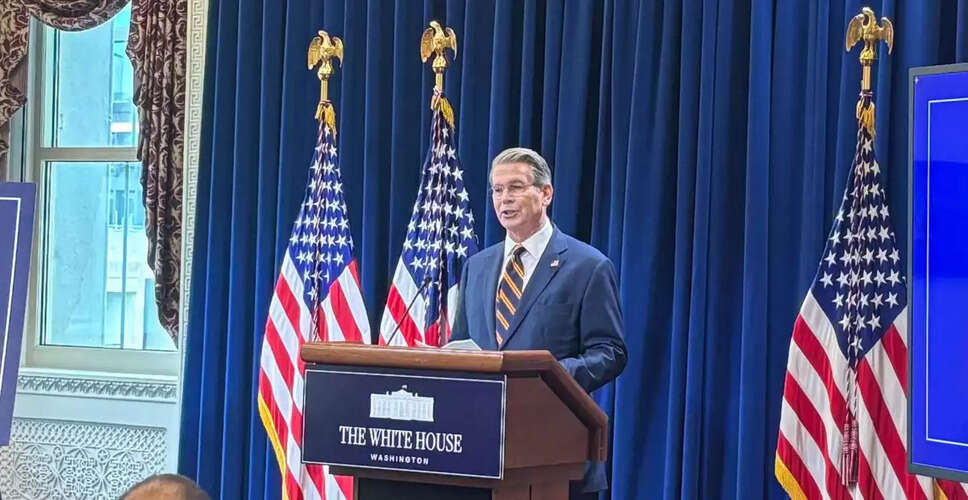
On Thursday, the United States Treasury Secretary Scott Bessent conveyed that President Donald Trump and his negotiating team have been feeling “frustrated” with India during the ongoing trade discussions, as reported by a news channel.
Bessent remarked in an interview, “India initially engaged in the talks, but they have been slow to progress. This has led to frustration among the president and the entire trade team.”
He also pointed out that India has been a significant purchaser of sanctioned Russian oil, which is then sold as refined products, stating, “They have not acted as a responsible global player.”
His remarks followed Trump's announcement of a 25% tariff on imports from India starting August 1, along with a potential “penalty” for India's substantial military and fuel purchases from Russia amid the ongoing conflict in Ukraine.
However, the specifics of this “penalty” were not disclosed.
Later that day, Trump mentioned that his administration continues to negotiate the final tariff rate with India, stating, “India currently has one of the highest tariffs globally, and they are open to significantly reducing it.” He added that updates would be available by the end of the week.
In response, India's commerce ministry indicated that it is evaluating the implications of the US decision and will take necessary actions to protect national interests.
The ministry emphasized, “India and the US have been working towards a fair and mutually beneficial trade agreement over recent months, and we remain dedicated to achieving this goal.”
The US plans to reintroduce reciprocal tariffs on various countries that have not established separate trade agreements by August 1.
Trump had previously announced high tariffs in April but reduced them to 10% to facilitate negotiations. Despite the extended deadline, only a few agreements have been finalized.
On June 27, Trump suggested that a “very big” trade deal with India could be signed soon, and on July 2, the White House indicated that the deal was nearing completion and would be announced shortly.
An Indian delegation led by Union Commerce Minister Piyush Goyal visited the US in May for negotiations, followed by a US negotiating team visiting India in June.
New Tariff Rates Announced
On Thursday, Trump signed an executive order to formally reinstate reciprocal tariffs ranging from 10% to 41% on imports from numerous countries, including India.
These tariffs are set to take effect on August 7.
Specific rates include 20% for Taiwan, 30% for South Africa, 20% for Bangladesh, and 19% for Pakistan, among others.
Syria will face a 41% tariff, while Myanmar and Laos will see rates of 40%.