
US Treasury Confirms No Renewal of Russian Oil Waiver Amid Global Tensions

US Stance on Russian and Iranian Oil Purchases
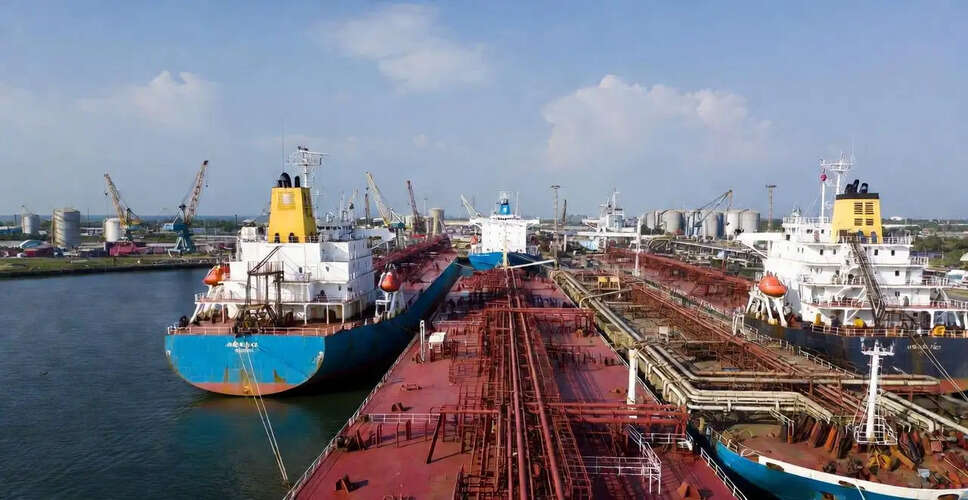
The United States has officially stated that it will not extend the waiver that permits the acquisition of Russian and Iranian oil and petroleum products currently in transit. This announcement was made by Treasury Secretary Scott Bessent amidst rising global tensions due to the ongoing conflict involving the US and Israel in Iran, which has significantly impacted energy markets, particularly with the closure of the Strait of Hormuz.
During an interview, Bessent emphasized that the US does not foresee renewing the waiver for Russian oil and petroleum products at sea, as reported by a major news agency. He further clarified that the possibility of extending a previous waiver for Iranian oil is completely off the table. "I wouldn’t imagine that we’d have another extension. I think the Russian oil on the water has been largely sucked up," he stated.
The US had initially issued a waiver for Russian oil sales in March to help stabilize global energy prices, which had surged past USD 100 per barrel. Although the Treasury Department renewed this waiver earlier this month, it came shortly after the Trump administration indicated it would not do so. Bessent explained that the decision to renew was influenced by requests from over ten of the world's most vulnerable nations during meetings at the World Bank and International Monetary Fund. He reiterated, however, that further extensions are unlikely, particularly given the blockade affecting Iranian oil exports.