
US Temporarily Lifts Sanctions on Iranian Oil Amid West Asia Conflict
In a significant move, the United States has temporarily lifted sanctions on Iranian oil purchases to alleviate energy supply pressures amid the ongoing conflict in West Asia. This decision, announced by Treasury Secretary Scott Bessent, aims to release approximately 140 million barrels of oil into global markets. However, Iran has countered by stating it has no surplus oil to offer. The situation is further complicated by military actions and geopolitical tensions in the region, with President Trump considering a reduction in military operations against Iran. This article delves into the implications of these developments on global energy markets and regional stability.
| Mar 21, 2026, 12:44 IST
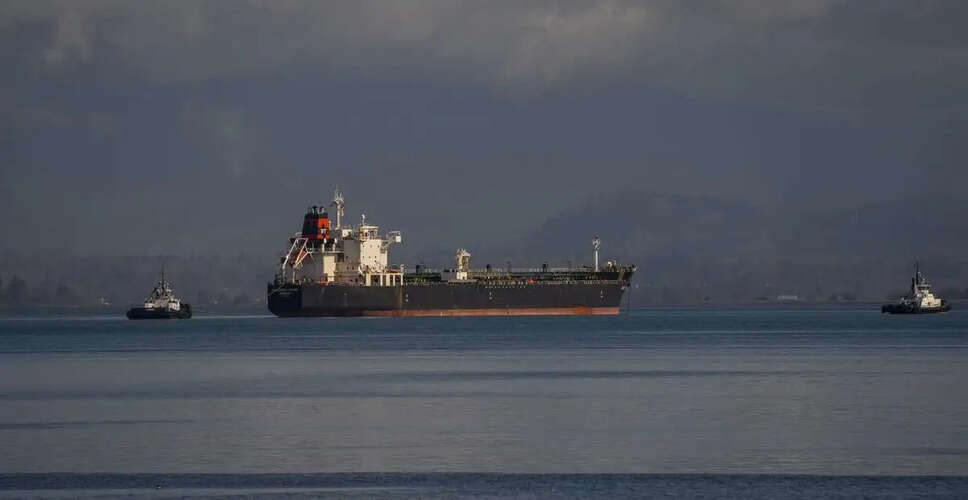
US Eases Sanctions on Iranian Oil
On Friday, the United States announced a temporary suspension of sanctions for 30 days, allowing the purchase of Iranian crude oil and petroleum products at sea. This decision aims to alleviate energy supply challenges arising from the ongoing conflict in West Asia.
In a statement shared on social media, US Treasury Secretary Scott Bessent indicated that this move would enable the release of approximately 140 million barrels of oil into global markets, thereby increasing energy availability and addressing supply pressures linked to Iran.
Bessent emphasized that the strategy involves utilizing Iranian oil to counter Tehran's influence while maintaining lower prices, as part of Operation Epic Fury.
Key Updates from the West Asia Conflict:
- Earlier on the same day, Iran declared it had no surplus crude oil available for international markets, contradicting Bessent's remarks about potential sanctions relief.
- Iran's Oil Ministry spokesperson, Saman Ghoddoosi, stated that the US Treasury Secretary's comments were merely intended to create optimism among buyers.
- This waiver follows the easing of sanctions on Russian oil by the previous administration, as the US seeks to mitigate a global supply crisis exacerbated by Iran's blockade of the Strait of Hormuz, a critical maritime route for oil transport.
- President Trump mentioned he is contemplating reducing military operations against Iran, suggesting that other nations should take responsibility for securing the Strait of Hormuz.
- In a message for the Persian New Year, Iran's Supreme Leader Mojtaba Khamenei claimed that Tehran's adversaries are facing defeat, highlighting a sense of unity among Iranian citizens.
- Trump criticized NATO allies for their perceived lack of support during the conflict, labeling them as “paper tigers” and “cowards” for not assisting in the fight against Iran.
- In India, a coalition of airlines, including IndiGo and Air India, warned the government about potential route cancellations and delays in fleet expansions if fare caps imposed in December are not lifted.
- The US and Israel initiated military actions against Iran on February 28, citing existential threats posed by Tehran, which has retaliated by targeting US military bases and cities in Gulf nations.
- Israel has raised alarms about Iran nearing the capability to develop nuclear weapons, while Tehran insists its nuclear ambitions are solely for peaceful purposes.
- The ongoing conflict has led to significant disruptions in the Strait of Hormuz, with the International Energy Agency reporting the largest supply disruption in the history of the global oil market.