
US Takes Control of Venezuela Following Maduro's Ouster
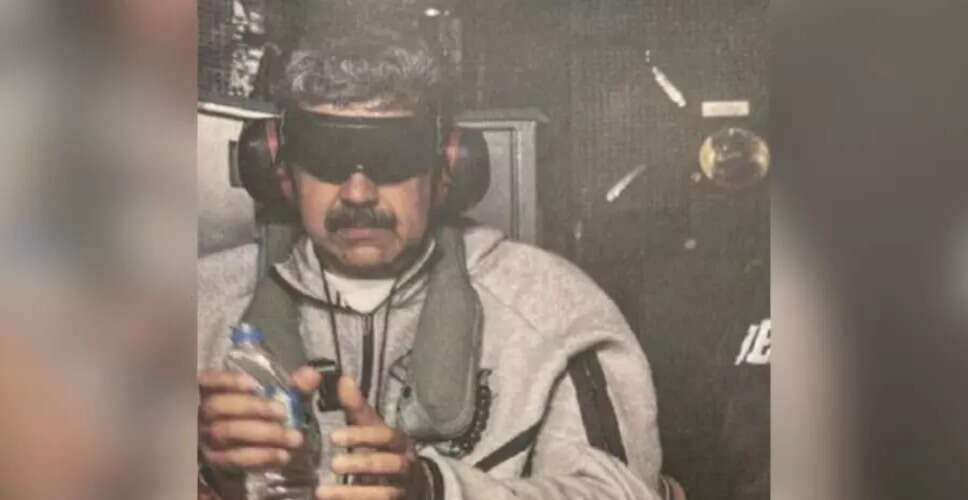
US Military Operation Leads to Maduro's Removal
On January 4, in a bold military maneuver, Nicolás Maduro was forcibly removed from power in Venezuela. Following this operation, President Donald Trump announced that the United States would temporarily govern Venezuela and utilize its extensive oil reserves for international sales.
During a press conference shortly after Maduro's removal, Trump outlined his intentions to address the country's oil infrastructure and export significant quantities of oil to other nations.
"We will manage the country until we can ensure a safe and orderly transition," Trump stated at Mar-a-Lago, emphasizing that this successful operation serves as a warning to those who threaten American sovereignty or safety.
This decisive action marked the culmination of a sustained pressure campaign by the Trump administration against Maduro, representing the most aggressive American effort for regime change since the 2003 Iraq invasion.
Maduro and his spouse were taken from their residence on a military base and initially placed aboard a US warship, facing charges from the Justice Department related to a narco-terrorism conspiracy.
A plane carrying the ousted leader arrived at an airport in the northern suburbs of New York City around 4:30 PM on Saturday.
Upon disembarking, Maduro was seen carefully descending the stairs and was escorted across the tarmac by federal agents, some of whom recorded the moment on their phones.
He was subsequently transported by helicopter to Manhattan, where a convoy of law enforcement vehicles awaited to take him to a nearby office of the US Drug Enforcement Administration.
A video shared on social media by a White House account depicted Maduro smiling as he was guided through the DEA office by two agents. He is expected to be held in custody pending trial at a federal facility in Brooklyn.
Legal experts have raised concerns regarding the legality of this operation. Venezuela's Vice President Delcy Rodríguez called for Maduro's release, asserting his position as the legitimate leader of the country, while Venezuela's High Court appointed her as interim president.
The legal justification for this military action, conducted without congressional consent, remains unclear. However, the Trump administration framed the ousting as a measure to curb the influx of dangerous drugs into the United States.
Trump also highlighted potential advantages, including a leadership role in Venezuela and increased control over its oil resources.
In response to the situation, the UN Security Council, following an emergency request from Colombia, is set to convene on Monday to discuss US actions in Venezuela.