
US Supreme Court Upholds Birthright Citizenship in Landmark Ruling
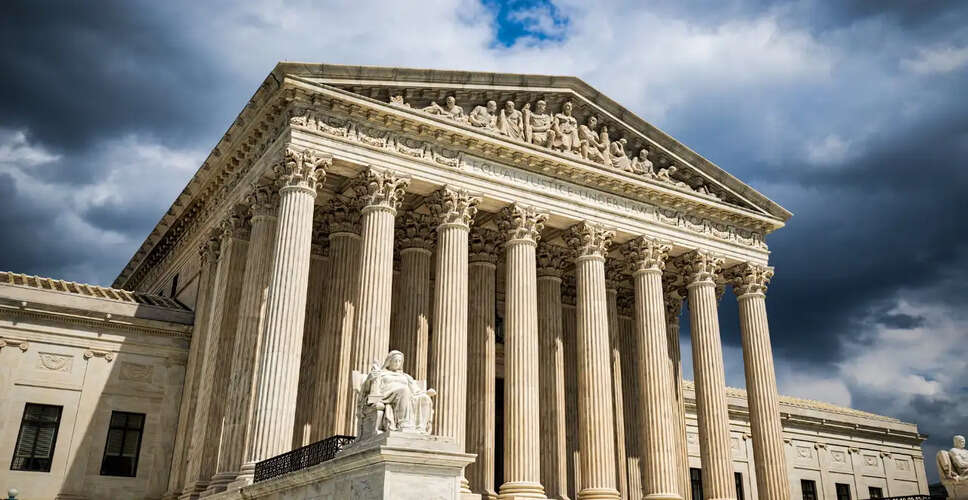

Supreme Court Decision on Birthright Citizenship
On Monday, the US Supreme Court delivered a significant ruling against President Donald Trump's executive order aimed at restricting birthright citizenship. The court decided with a 6-3 vote that the executive order cannot be implemented, marking a substantial legal defeat for one of Trump's key immigration policies. This ruling upholds the traditional interpretation of the 14th Amendment of the US Constitution, ensuring that children born in the country will continue to automatically receive US citizenship, irrespective of their parents' immigration status, a practice that has been in place for over 150 years.
Supreme Court Blocks Trump's Executive Order
The court's decision highlighted that Trump's order was in direct conflict with the Citizenship Clause of the Constitution, which guarantees citizenship to all individuals born or naturalized in the US and subject to its jurisdiction. The executive order, which was backed by conservative ideologies and signed shortly after Trump assumed office, aimed to deny automatic citizenship to children born in the US to parents who were undocumented or temporary visitors. The Supreme Court's ruling effectively prevents this order from being enforced across the nation.
Impact on Trump's Immigration Policy
This ruling represents a significant blow to Trump's immigration agenda during his second term. The president has often claimed that birthright citizenship serves as a 'magnet' for illegal immigration and has sought to eliminate the policy through executive measures. The administration argued that the 14th Amendment was meant to apply solely to individuals fully under US jurisdiction, excluding children of undocumented immigrants or temporary visa holders. Prior to reaching the Supreme Court, several lower courts had already halted the implementation of the executive order.
Implications of the Ruling
With the Supreme Court's rejection of Trump's order, the current policy on birthright citizenship remains intact. Children born in the US will continue to automatically gain US citizenship at birth, with only a few exceptions, such as those born to foreign diplomats. This decision ensures that hundreds of thousands of births each year will still qualify for automatic citizenship under the existing constitutional framework.
A Landmark Constitutional Decision
The case attracted widespread attention as it challenged one of the most fundamental principles of US constitutional law. Legal experts contended that any changes to birthright citizenship would necessitate a constitutional amendment or a reversal of established Supreme Court rulings, rather than an executive order. The ruling on Monday reinforces this interpretation, affirming that the Citizenship Clause of the 14th Amendment remains effective and safeguarding automatic birthright citizenship throughout the United States.